Selecting the Best Hardwood Flooring
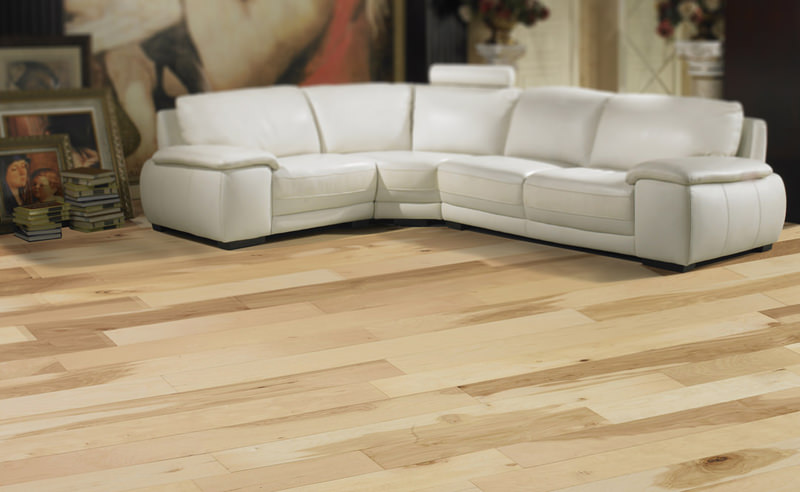
Nothing comes close to the natural beauty and warmth of hardwood flooring, and options are available from around the world to suit every application and design preference. Choose from hundreds of solid, engineered, floating hardwood and more options to suit your style. Additionally, consider the performance of various hardwood offerings to select one that is suitable to the unpredictable, and often challenging, Midwest climate.
Types of Hardwood Flooring:
There are many factors to consider when selecting hardwood flooring for your residential or commercial property. Perhaps, the most obvious? Color. The carpet hue makes a big impression in the room and sets the tone for your furnishings and design. Additionally, consider the species of the wood, construction and finish to come up with an ideal hard flooring solution.
- Color - Hardwood flooring is a classic choice that withstands the test of time. However, like all elements of home design, trends change throughout the years. Hardwood flooring options range from choices that showcase the natural beauty of hardwood, to stained color options that can accommodate your existing design elements and preferences.
- Species - Species is an important consideration when it comes to selecting a hardwood flooring option, because not all species of hardwood are equal. The species will influence the appearance and durability of a floor. Oak is one of the most popular species for hardwood flooring. This beautiful hardwood is used in many other furnishings, such as cabinets, and it tends to blend well into home and commercial designs. Another advantage? Oak often comes with a lower price tag than some other hardwood options. Hickory – popular for its intrinsic rustic appeal — is harder than oak, and holds up well in active households. Maple is also a durable flooring option, popular for its style and stability. Additional species are available and bring with them different looks and features, such as bamboo flooring — a popular imported choice.
Construction:
- Solid Hardwood - This is a popular choice for customers that prefer a traditional, classic hardwood floor. Choose from smooth surface to a distressed-looking, handscraped surface in a variety of finish options.
- Engineered Hardwood - This common flooring option is also comprised of 100% wood. Engineered floors can be installed below, on, or above grade, or even over concrete. In many situations, engineered hardwood is a better option to handle the vast changes in climate.
- Floating Engineered “Click” Hardwood - Adding the ability to “float” your floor, this hardwood flooring can be installed over an existing floor without having to use glue. Floating click floors are a favorite of the do-it-yourselfer.
Finish:
- Polyurethane & Acrylic - For the consumers looking for a durable and easy-to-maintain finish, many urethane and acrylic based products are available. For added durability, choose a finish that is enhanced with aluminum oxide or ceramic bead.
- Natural Oil - For unmatched beauty, consider a hardwood floor finished in natural oil. An oil finish penetrates the wood fibers to harden them while not altering the natural beauty of the wood. With no visual film on the surface, oiled floors are distinguishable by their elegant patina. They are easy to care for and are repairable. An oiled floor never needs to be sanded. However, regular applications of a maintenance oil are necessary to nourish the wood and bring the luster back.
- Custom Site-Finishing - For those who love their current hardwood floor, consider an update instead of all new flooring. Experts are available to evaluate floors, make recommendation and restore the beauty of original hardwood floors through sanding and refinishing options.
Best Hardwood Flooring for My Room
Selecting a hardwood flooring requires consideration of more than just style. The environment where the flooring is required as well as the traffic level of the space should be evaluated.
- Moisture Issues - Moisture is tough on hardwood flooring. When selecting flooring for basements, as well as rooms that will be particularly susceptible to humidity, such as bathrooms and laundry rooms, choose an engineered or floating hardwood construction, or consider another type of hard flooring, such as luxury vinyl planks that are made to look like real hardwood.
- Foot Traffic - For areas where foot traffic is the highest, such as entryways and hallways, look for a finish that helps hide wear. In general, dark stains show traffic quicker than natural, lighter stains. Reclaimed or distressed woods can also provide a unique and beautiful hardwood flooring option that camouflages wear.
Hardwood Flooring Trends
Hardwood flooring trends often focus on color, but today’s color trends don’t fall into a certain category. Instead, trends run the spectrum from natural-looking, light wood to dramatic dark stains. Light flooring comes with many benefits. It can help brighten up a room, make a space look larger, and bring a natural looking beauty to your space. On the other end, dark stains continue to be popular hardwood flooring options. These bold stains work well with contrasting furnishings and décor, and they bring with them a current, updated look. And somewhere in the middle? Don’t count out grey hardwood flooring. As we’ve seen in home décor trends, grey has sticking power! In home design, grey hues are popular from floors to ceiling, and everything in between.
Another flooring trend? Wide plank floorboards, as well as longer length planks, are growing in popularity. These options offer an updated look and can appear to extend the footprint of a room. Planks are available in numerous color and species options.