Eco-Friendly Flooring
There’s more than meets the eye with sustainable and stylish flooring products.




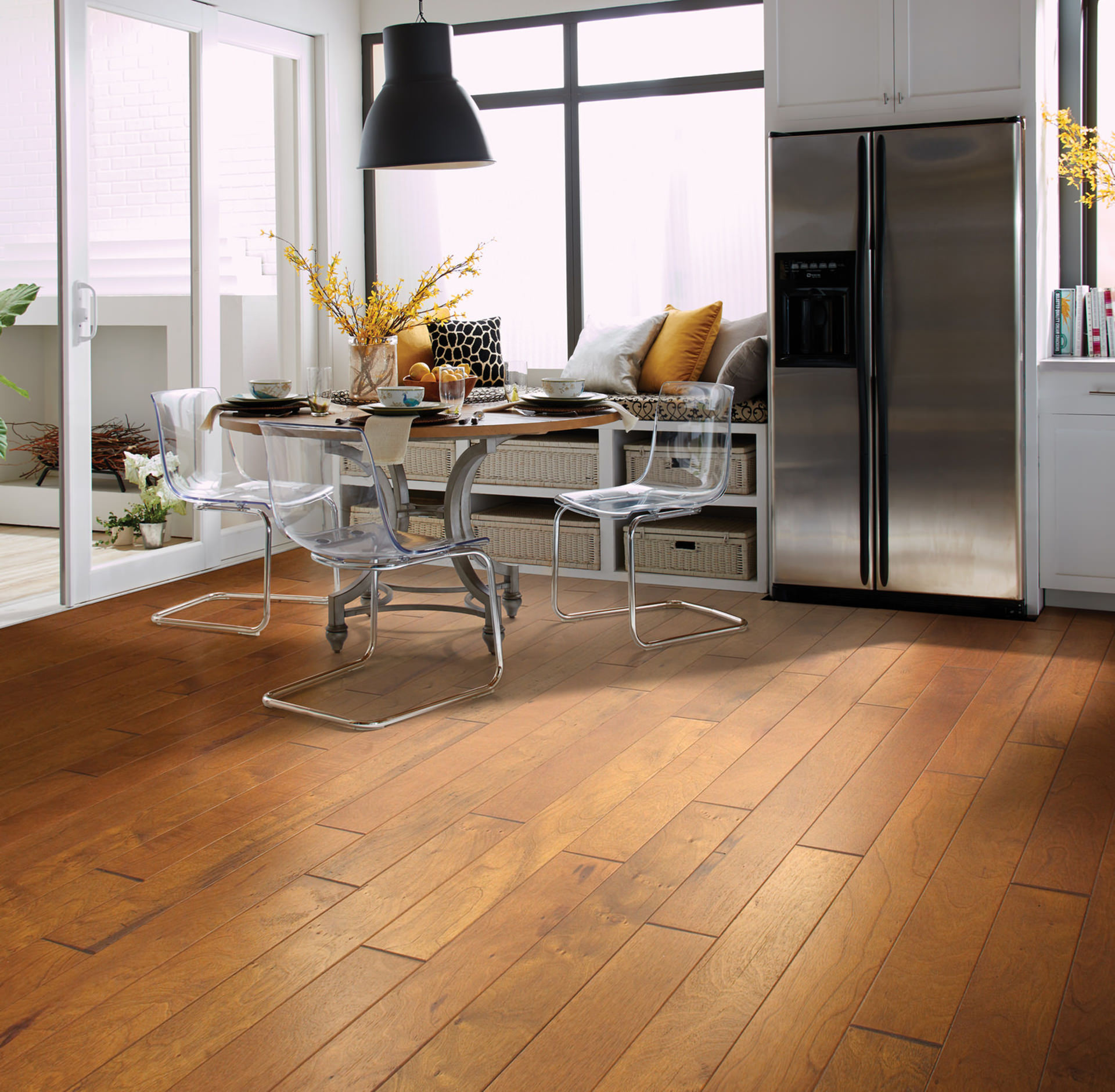
With a shift in recent years towards more eco-friendly products, the popularity of natural flooring has seen a dramatic upturn, resulting in more socially responsible living spaces and higher home value due to the longer-lasting and less impactful materials associated, including vegetation, wood, flax, pine rosin, and wood flour. However, going green wall-to-wall goes far beyond materials, with the manufacturing process, use of natural resources, and supply chain impact weighing heavily into consideration. Linoleum, wood, bamboo and cork compose some of the affordable, green flooring options that create healthier and safer spaces, with each crafted using renewable methods and technologies for a maintainable and cleaner living space.
How Sustainable is Linoleum, Wood, Cork and Bamboo Flooring?
The short, albeit incomplete, answer to that question would be, highly; however, obtaining an in-depth understanding of each available option and the unique benefits therein ensures that the selected flooring lives up to every particular desire and need.
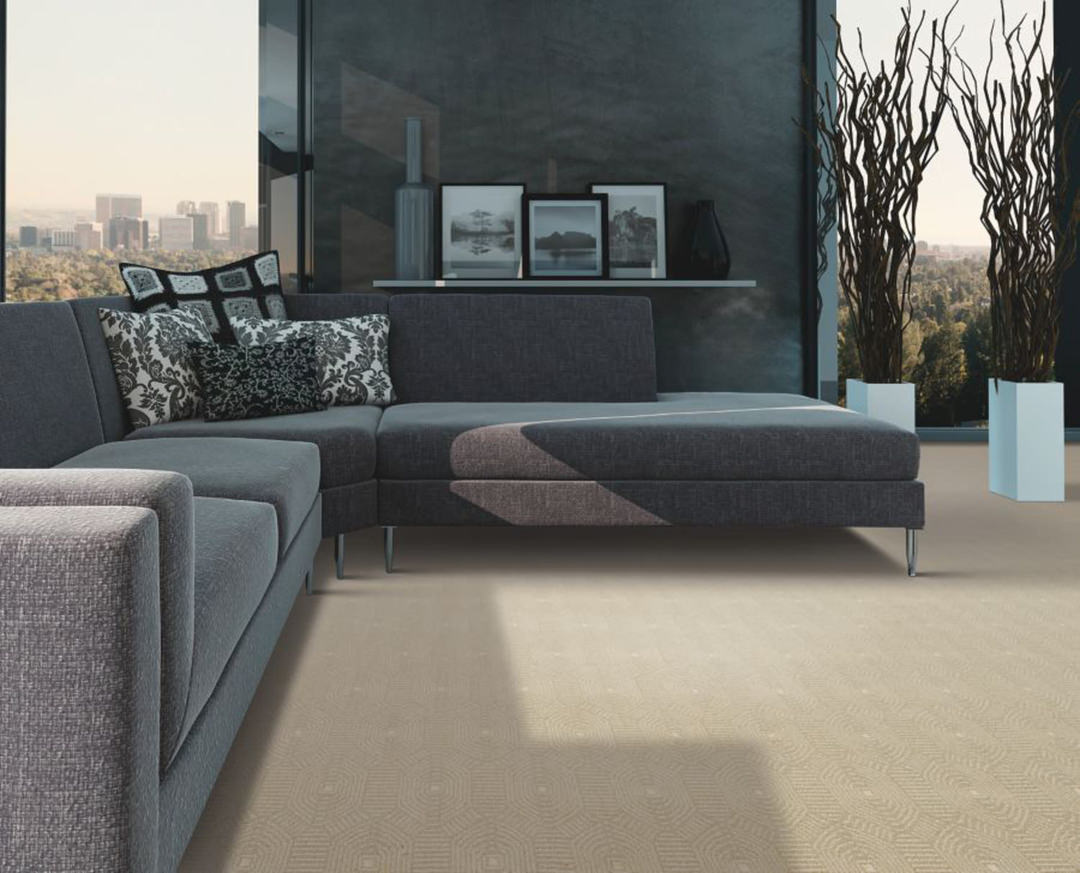
Linoleum Sustainable Flooring
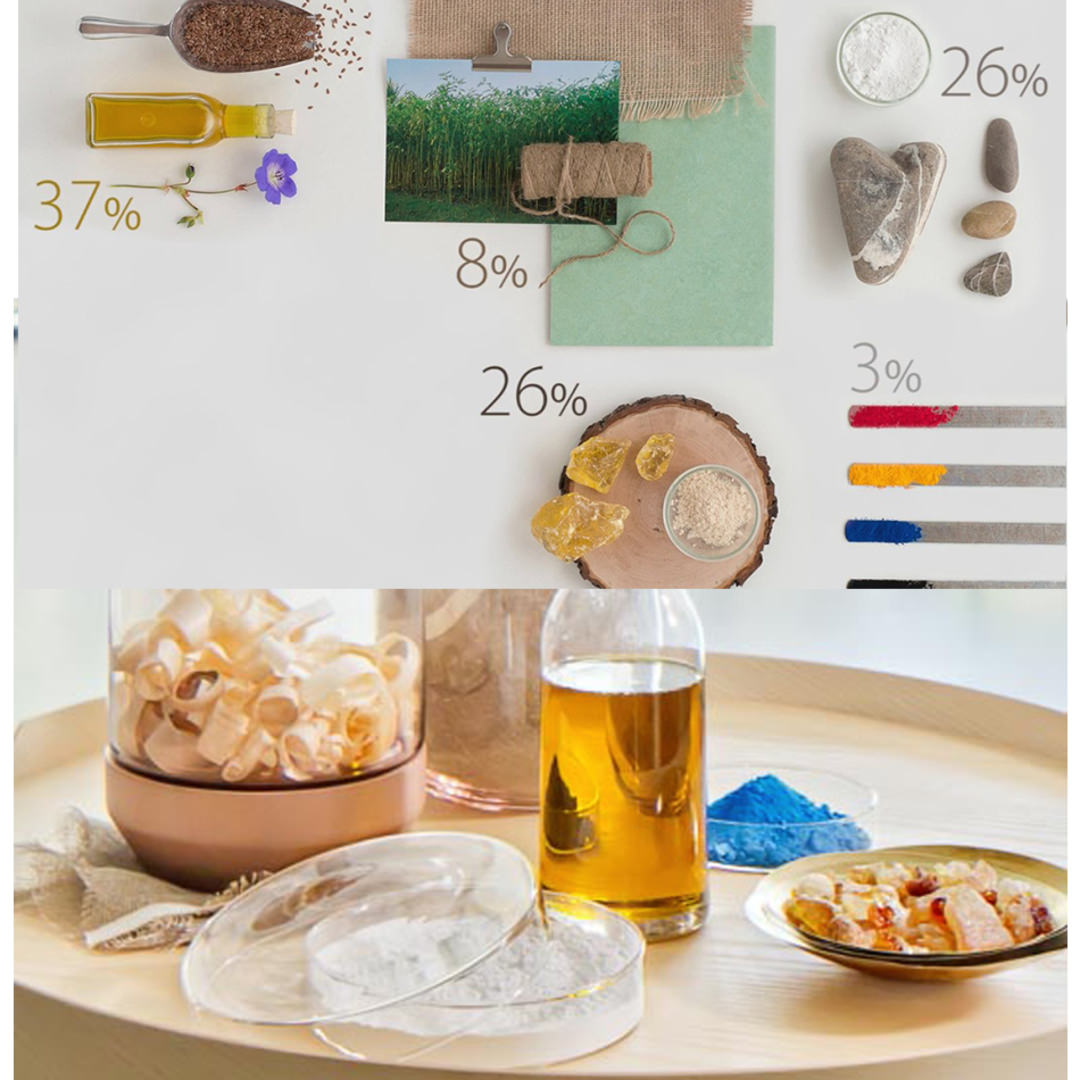
Initially patented in 1862 by British Manufacturer Fredrick Walton, after he noticed the flexible coating solidified on the surface of a can of paint, linoleum flooring developed into an excellent, inexpensive material for high-use areas. It’s also considered a sustainable option, since it features renewable components that are annually harvested from crops, including: flax, pine rosin, and wood flour.
Widely grown wild in Canadian prairies, flax commonly gets ground into linseed oil and used in many wood-finisher products due to its natural tendency to maintain a smooth and straight profile.
Solidified resin tapped from pine trees from controlled plantations to ensure consistency similarly to maple syrup, pine rosin predominantly sees use as an adhesive and varnish agent, providing a natural alternative to more environmentally harmful practices when crafting eco-friendly flooring.
Often taken as a bi-product from the lumber industry then ground into a fine powder, wood flour sees use as covering on linoleum flooring, providing a natural defense with heightened durability and endurance.
Of course, not all linoleum floors are the same. For a more environmentally friendly choice, look for brands such as Marmoleum that are SMaRT certified and achieve LEED credits. The company uses carefully sourced materials, including jute and limestone taken from sources committed to sustainability and many natural pigments.
Wood Sustainable Flooring
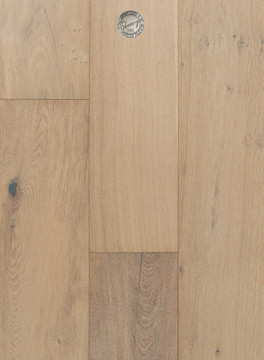
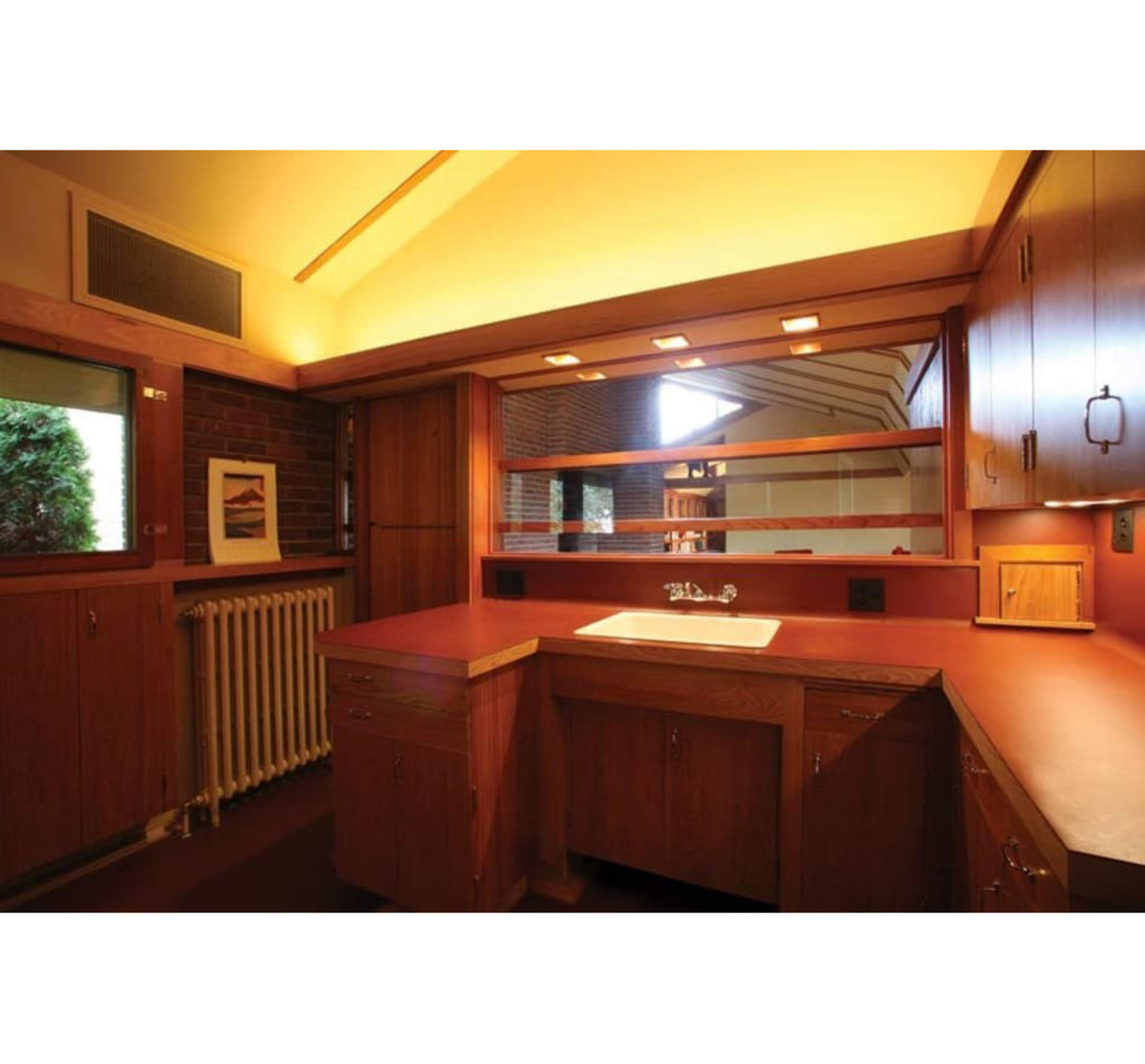
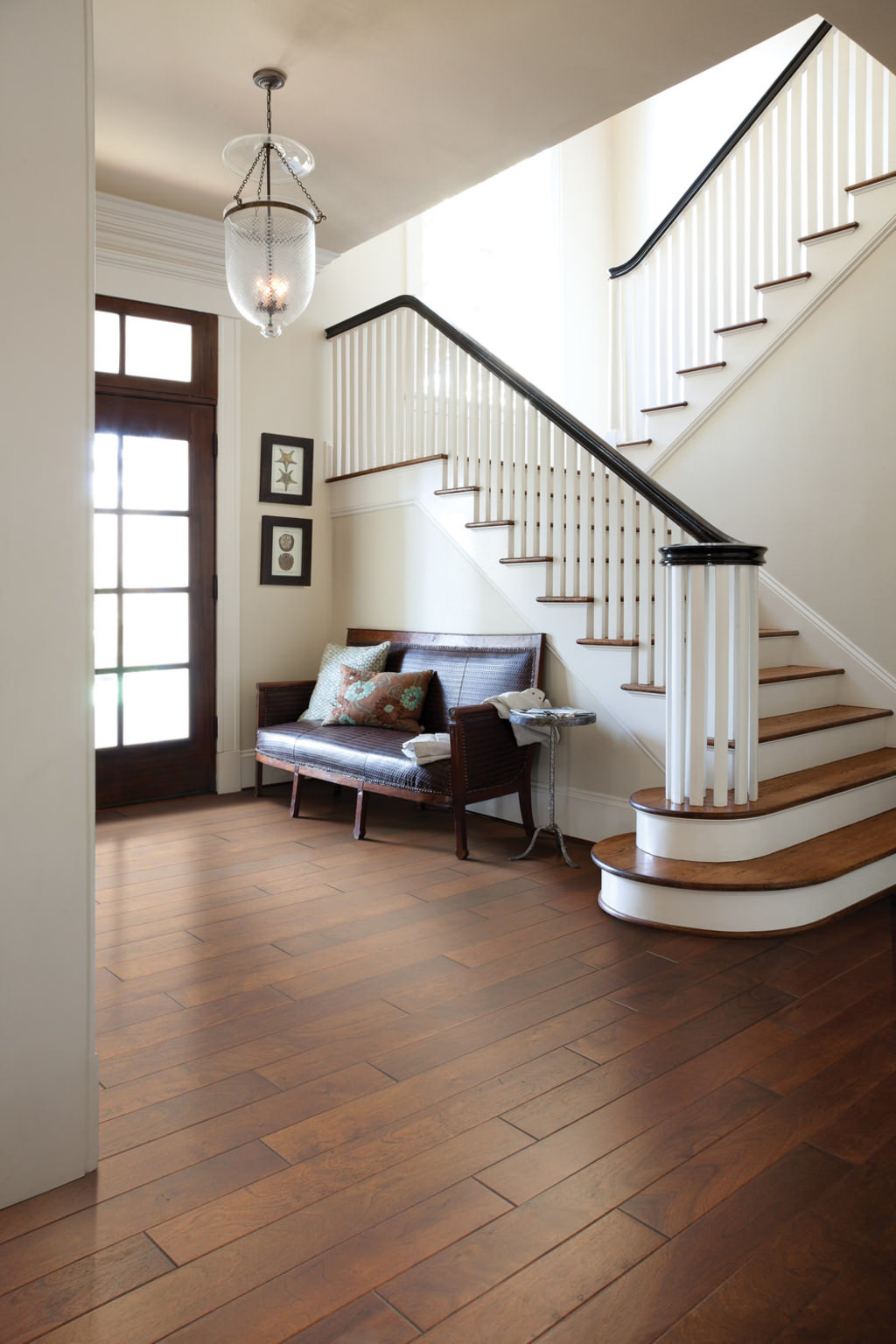
Crafted from manufacturers with high environmental standards, wooden flooring meets the needs of green living when harvested from ecological sources of timber in controlled forests, regularly replenished with trees to ensure lasting sustainability.
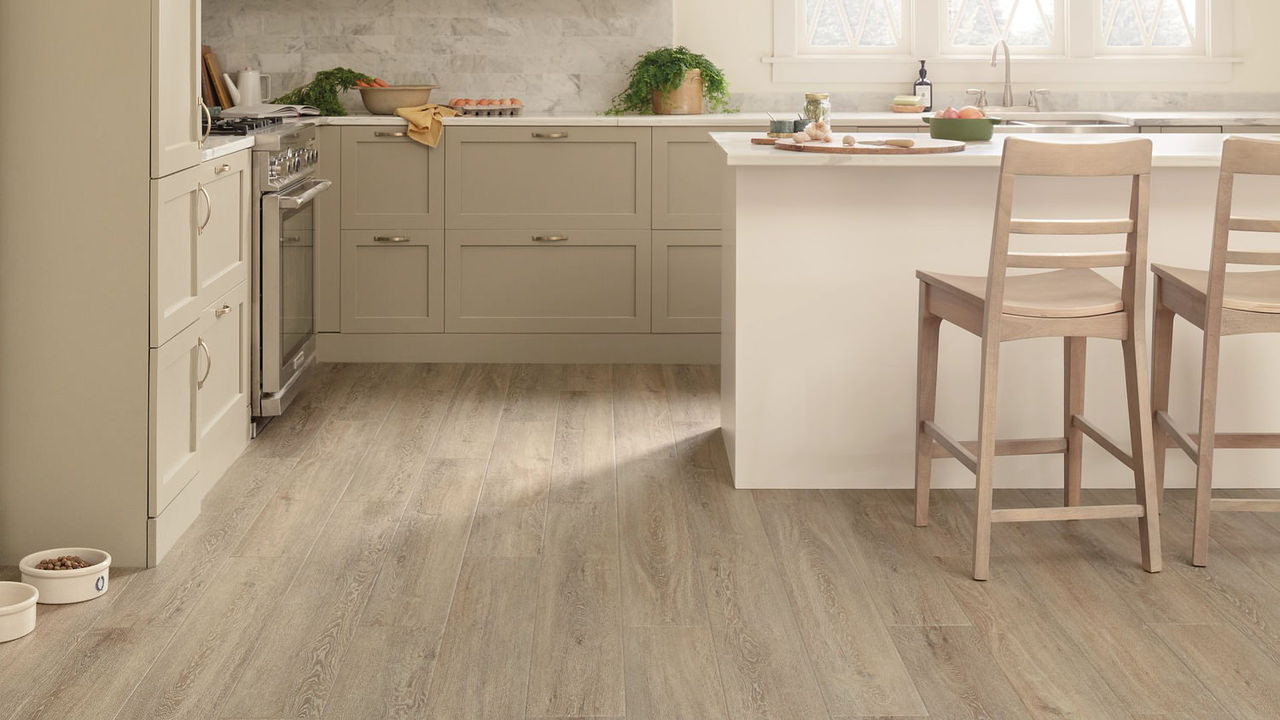
Over years of technological advancements and societal pushes towards environmentally-safe practices, wood flooring developed into one of the most common and most effective flooring options for green living spaces, requiring less energy and limited use of raw materials for the manufacturing process.
Popular woods used to produce eco-friendly flooring are oak, maple, cherry, pine and walnut. These species feature tons of unique designs and patterns, and a combination of heightened strength, stability and endurance.
Bamboo Sustainable Flooring
Exclusively crafted from natural grass vegetation, this eco-friendly flooring features significantly greater renewability compared to other options as bamboo only requires three to five years to reach maturity while trees used for traditional hardwood may take upwards of twenty years to grow.
Beyond ecology, bamboo flooring provides homes with a multitude of features including durability and strength comparable to the incredibly sturdy red oak used in high-end hardwood designs; water, stain and warp resistance granted from the natural materials; and tongue-and-groove interlocking technology that offers easy, DIY installation.
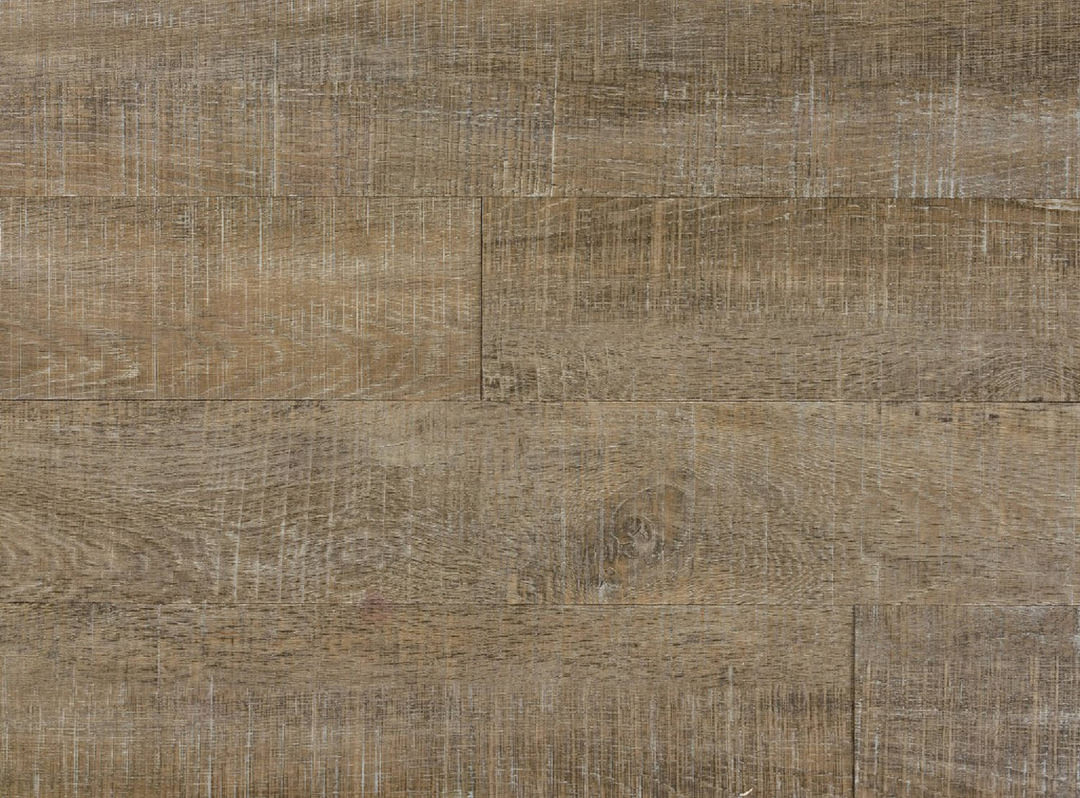
Cork Sustainable Flooring
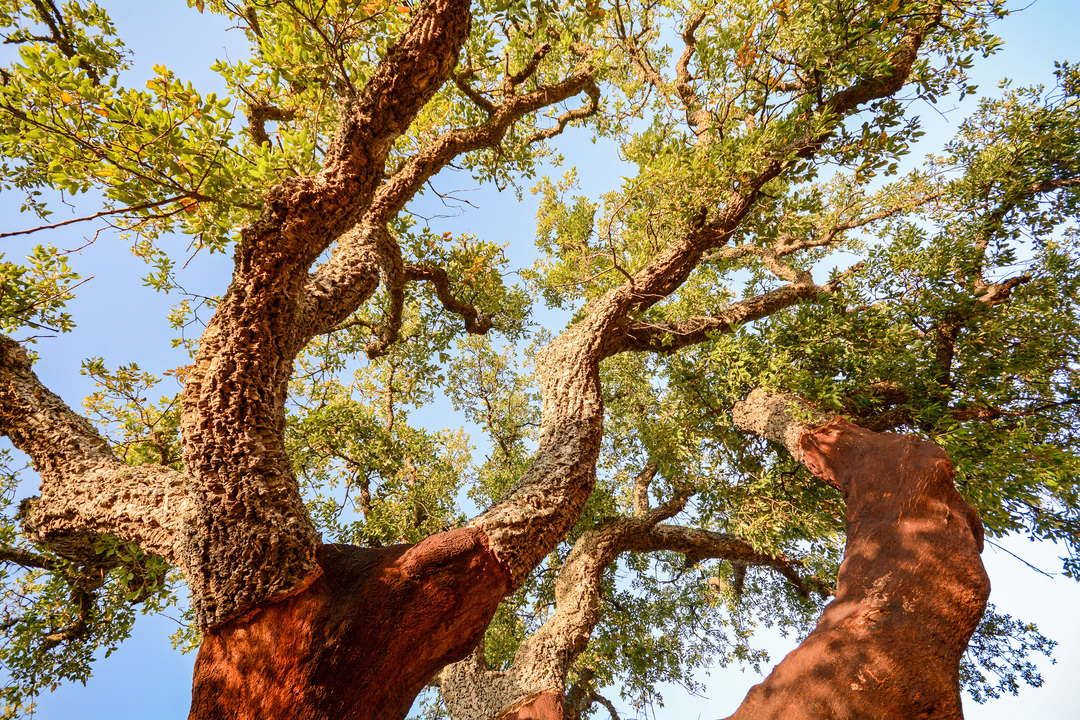
A malleable, dense, resilient, and fire-resistant material, cork used to construct eco-friendly flooring doesn't require conventional logging methods to harvest; instead, lumberjacks strip the bark, preventing permanent damage, and leaving the cork tree to continue to live and grow unperturbed.
With no off-gassing that releases toxicity into the air, attaching to dust, and potentially leading to respiratory issues in the future, natural flooring offers an environmentally friendly and healthy alternative compared to traditional flooring.
Natural flooring features a wide array of advantages that go above and beyond ecological benefits, including ease of maintenance and cleaning, efficient infection control, a sturdy frame, long-lasting life, and significant underfoot comfort.










2026




















2025








Related Products