Better Bedtime Habits for Superior Sleep
Reset your sleep this fall with better sleep hygiene habits.





Better Bedtime Habits for Superior Sleep
As summer winds down and back-to-school routines return, it’s the perfect time to refocus on healthy habits—starting with sleep. A restful night can improve your focus, mood, and productivity, yet many of us struggle with falling asleep, staying asleep, or simply waking up feeling rested.
Whether you’re trying to help your kids adjust to earlier mornings or you’re personally ready to feel more refreshed, these tips for better sleep combine expert advice, smart bedroom design, and nighttime rituals to support deep, restorative rest.
Invest in Bedroom Design Upgrades for Better Sleep
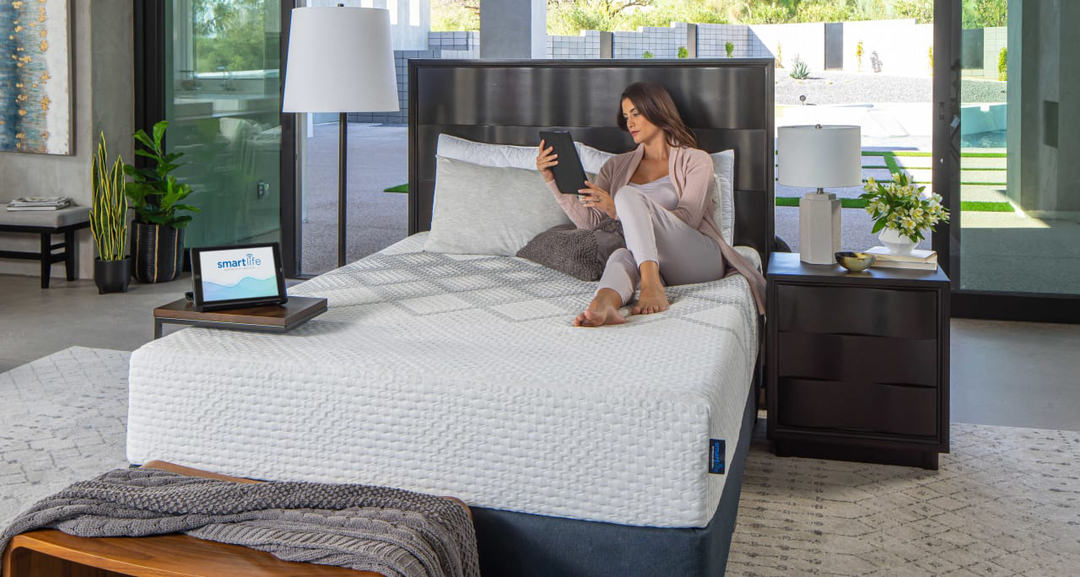
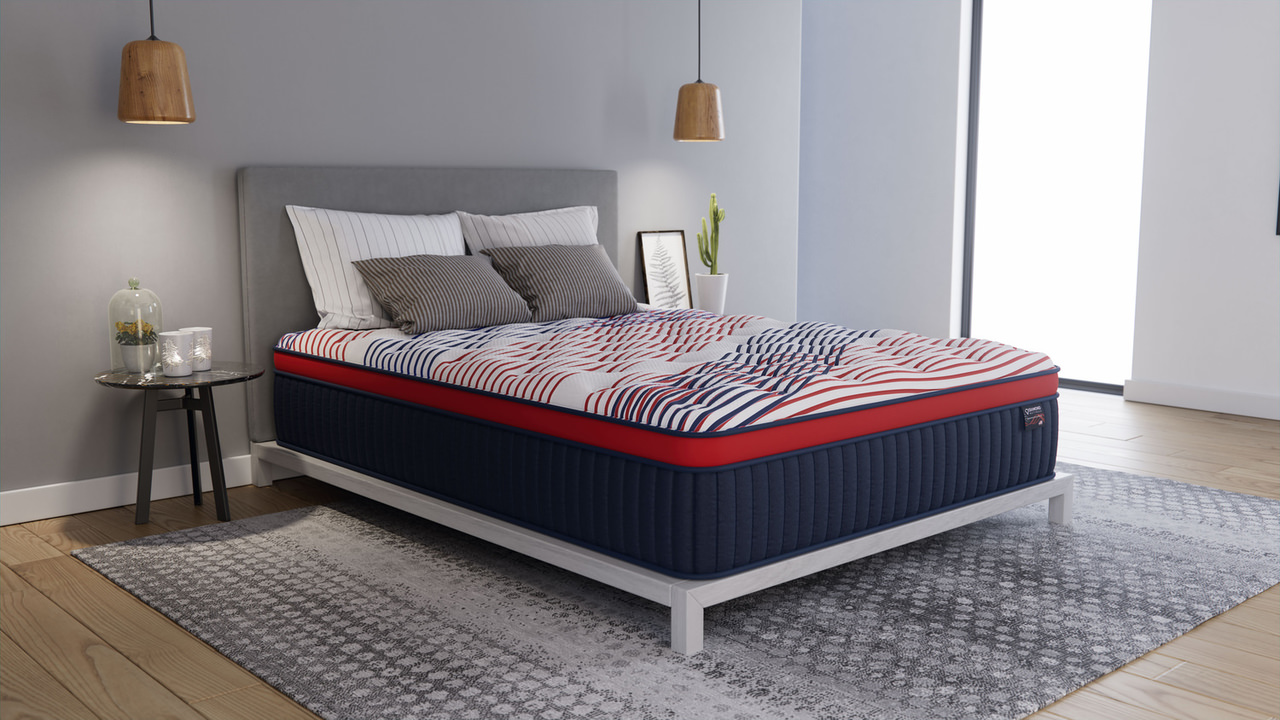
Your sleep quality is directly tied to the condition and comfort of your bed. Even with great habits and a soothing color scheme, it’s tough to get a full night’s rest on an unsupportive mattress or worn-out pillows. A few key upgrades to your bedroom design for better sleep can make a world of difference.
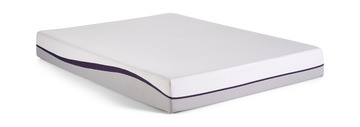
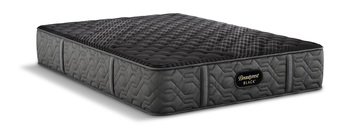
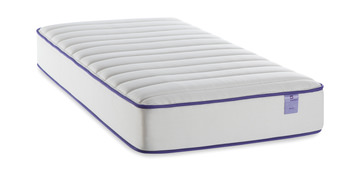
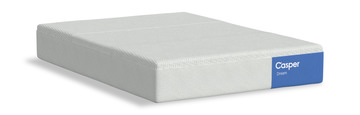
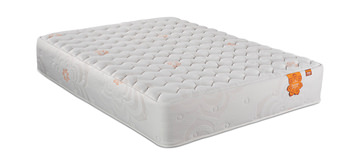
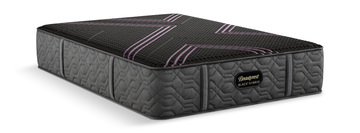
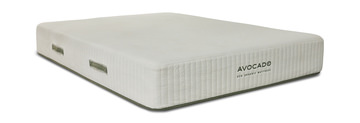
Upgrade your mattress: A quality mattress is essential. If yours is more than 7–10 years old or you wake up with aches and pains, it may be time to invest in a replacement. Today’s mattresses come in a variety of materials—memory foam, hybrid, and innerspring—each offering different levels of support and cooling properties.
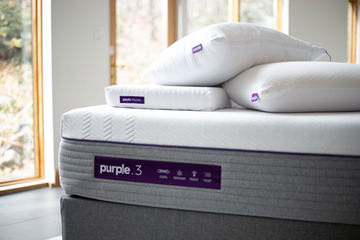
Refresh Your Pillows: Pillows lose their shape and support over time. The right pillow should keep your neck aligned with your spine. Consider your preferred sleep position when shopping for pillows—they come in an assortment of support levels.
Side sleepers need thicker, firmer pillows.
Back sleepers benefit from medium support.
Stomach sleepers do best with soft, thin pillows.
Memory foam, down alternatives, and cooling gel pillows are great modern options to explore.
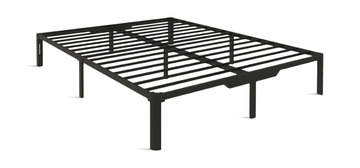
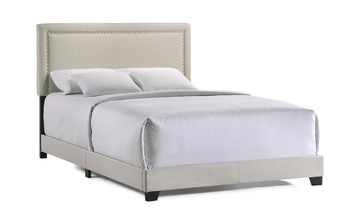
Rethink your bed Frame: Your bed’s foundation matters, too. An adjustable base can improve comfort and support for people with snoring issues, back pain, or circulation problems. A solid platform or slatted frame also provides better airflow for your mattress.
HOM Furniture offers a wide range of mattresses, pillows, and bed frames to help you design a sleep sanctuary that feels as good as it looks.
Create a Sleep-Friendly Bedroom
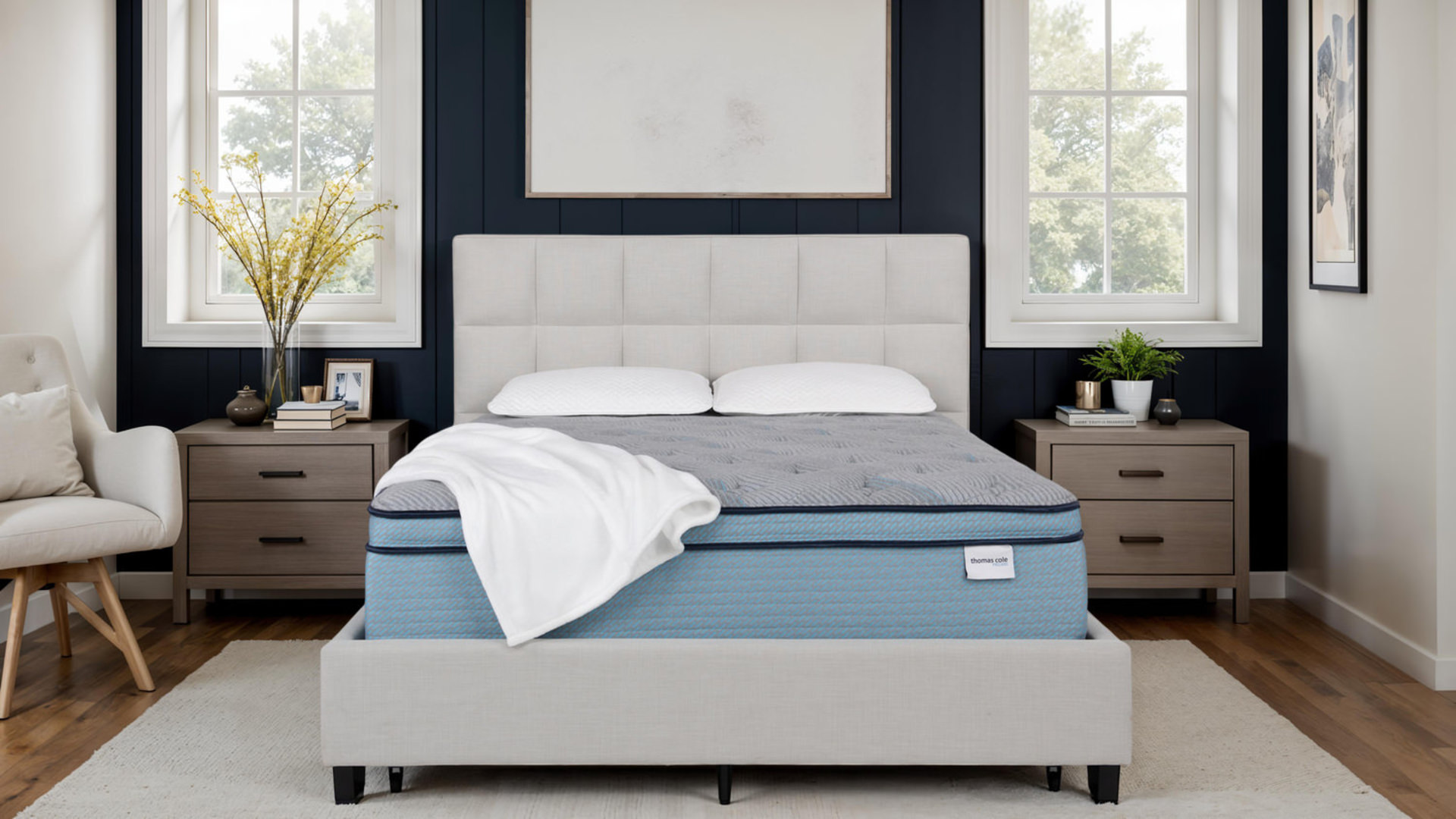
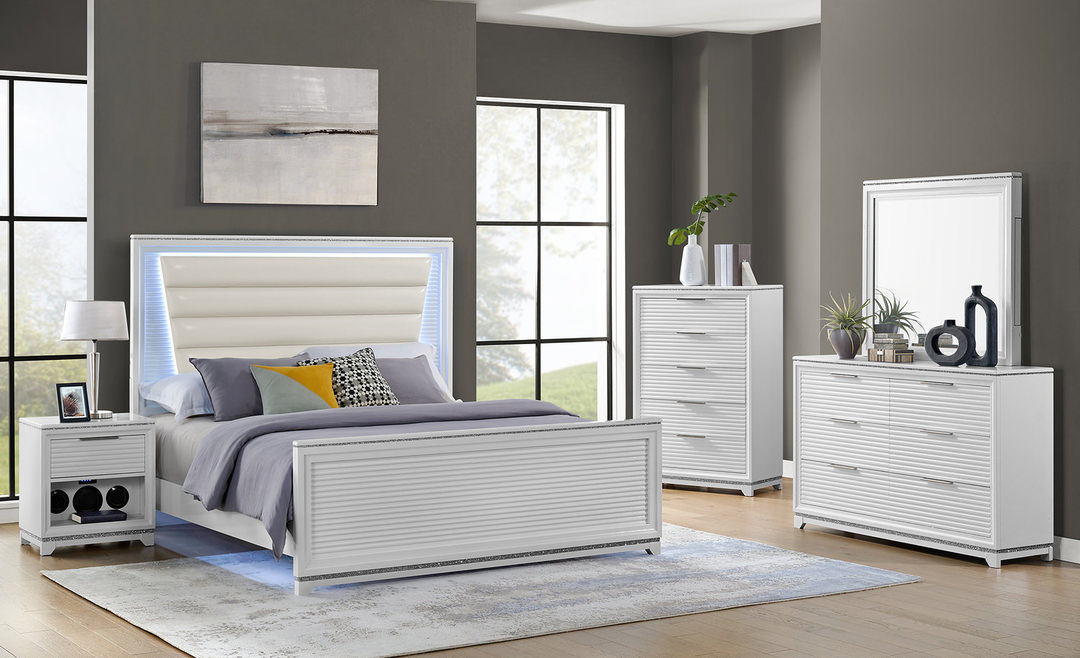
Your sleep environment plays a bigger role than you may think. From lighting to color palette, even small updates to your bedroom can lead to big improvements in sleep quality.
Choose the best bedroom colors for sleep: Color can have a psychological effect on your ability to relax. Great colors to promote sleep are calming tones such as:
Soft blues and blue-grays
Pale greens
Muted lavenders
Warm neutrals like taupe, ivory, or blush
Pro Tip: Paint an accent wall in a soothing color and complement it with neutral bedding and soft lighting for a tranquil vibe. Avoid bold reds, neon brights, or overly stimulating patterns, especially in large doses.
Rethink your lighting: Bright overhead lights signal to your brain that it’s still daytime. Instead, use dimmable bedside lamps, sconces, or string lights to promote a relaxing ambiance before bed. Opt for warm bulbs (around 2700K) instead of cool, bright-white lighting. If you use screens before bed, consider blue light–blocking glasses.
Design for Better Sleep: Optimizing your bedroom design for better sleep goes beyond color and lighting. Consider the following elements as well:
Blackout Curtains: Keep outside light from disrupting your circadian rhythm.
Sound Management: Use white noise machines or soft fans to block sudden nighttime noise.
Declutter: A tidy room reduces visual stress and supports a sense of calm.
Try incorporating biophilic design elements like indoor plants or nature-inspired art to help your body relax.
Establish a Relaxing Pre-Bed Routine
Creating a wind-down ritual cues your brain that it’s time to sleep. The key is consistency and calmness.
Power down screens: Phones, tablets, and TVs emit blue light, which can suppress melatonin and make it harder to fall asleep. Set a “screens off” time at least 30–60 minutes before bed. Use this time to read, journal, or listen to soft music or meditation.
Avoid stimulants late in the day: Caffeine can linger in your system for up to 6 hours or more, so skip that afternoon coffee if you're struggling to fall asleep. Alcohol may make you drowsy, but it disrupts your natural sleep cycles. Instead, sip a calming herbal tea like chamomile or valerian root in the evening.
Create a consistent schedule: Going to bed and waking up at the same time every day—even on weekends—helps regulate your body’s internal clock. Try setting a reminder in the evening to start winding down.
Mind Your Mealtimes and Movement
What and when you eat and how much you move impacts your sleep, too. Here are some of our best tips to ensure you are setting yourself up for success when it comes to getting a good night of sleep:
Limit heavy meals before bed: Large meals close to bedtime can cause discomfort, indigestion, and restlessness. Aim to finish dinner 2–3 hours before going to sleep. If you need a snack, choose something light and sleep-supportive like:
A banana with almond butter
Greek yogurt with honey
Whole grain crackers and cheese
Get daylight and exercise: Exposure to natural daylight helps keep your circadian rhythm in sync. Spend time outside each day, especially in the morning. Regular exercise—especially aerobic movement—can help you fall asleep faster and stay asleep longer. Just don’t work out too close to bedtime. Try to finish intense activity at least two hours before winding down.
Make Sleep a Priority This Season
Whether you're navigating a new school year, transitioning from summer vacations, or just want to feel more rested, now’s the time to embrace tips for better sleep. A few intentional design choices and lifestyle adjustments can transform your nightly routine—and your energy during the day.
Start with one or two changes, and build from there. From curating the best bedroom colors for sleep to practicing mindful wind-down rituals, small steps add up to a better night's rest.
Need a bedroom refresh? Visit your local HOM Furniture showroom or shop online for sleep-enhancing essentials.









2026
September
August
July




June



May


April




March



February



January




2025














Related Products