How to Style a Bookshelf: The Simple Formula for Shelves That Always Look Intentional
Stop rearranging and second-guessing. Here's the straightforward approach to bookshelf styling that actually works.



You stand in front of your bookcase, moving a vase two inches to the left, stepping back, shaking your head, then moving it right back where it started. It works, but it doesn't feel right. We've all been there. The problem isn't your taste or the items you own — it's the lack of a system.
Ever wondered how to get the most out of your bookshelf while making it look curated and intentional? The best place to start is to clear it off completely and work with a blank canvas. That way, you can see the space as it really is and map out each shelf before you begin. Style without a plan, and you end up stuck in an endless cycle of rearranging and second-guessing yourself. Stick around for some tips and tricks to consider next time you're ready to decorate your bookcase.

Edit, Don't Add
A common misconception is that you have to add more to make a shelf look better, but that's not the case. Sometimes all you need is to use what you already have. Before styling, take everything off the shelf and start fresh. Styling over clutter never works out well in the long run — it just makes your space look dingy and cramped. Look at the items you have around your house, or what was already on your shelf. Sometimes all you need to do is swap out, re-adjust, or remove some items entirely. Sort everything into three piles: keep, store elsewhere, and donate. This way, you can control the clutter and get a clear view of what you actually have to work with.
The Formula: Books + Objects + Negative Space
Once your shelves are bare and your items are sorted, you can begin rebuilding using the core formula of bookshelf styling. Every well-styled shelf relies on a balanced rotation of three elements: books, decorative objects, and negative space.
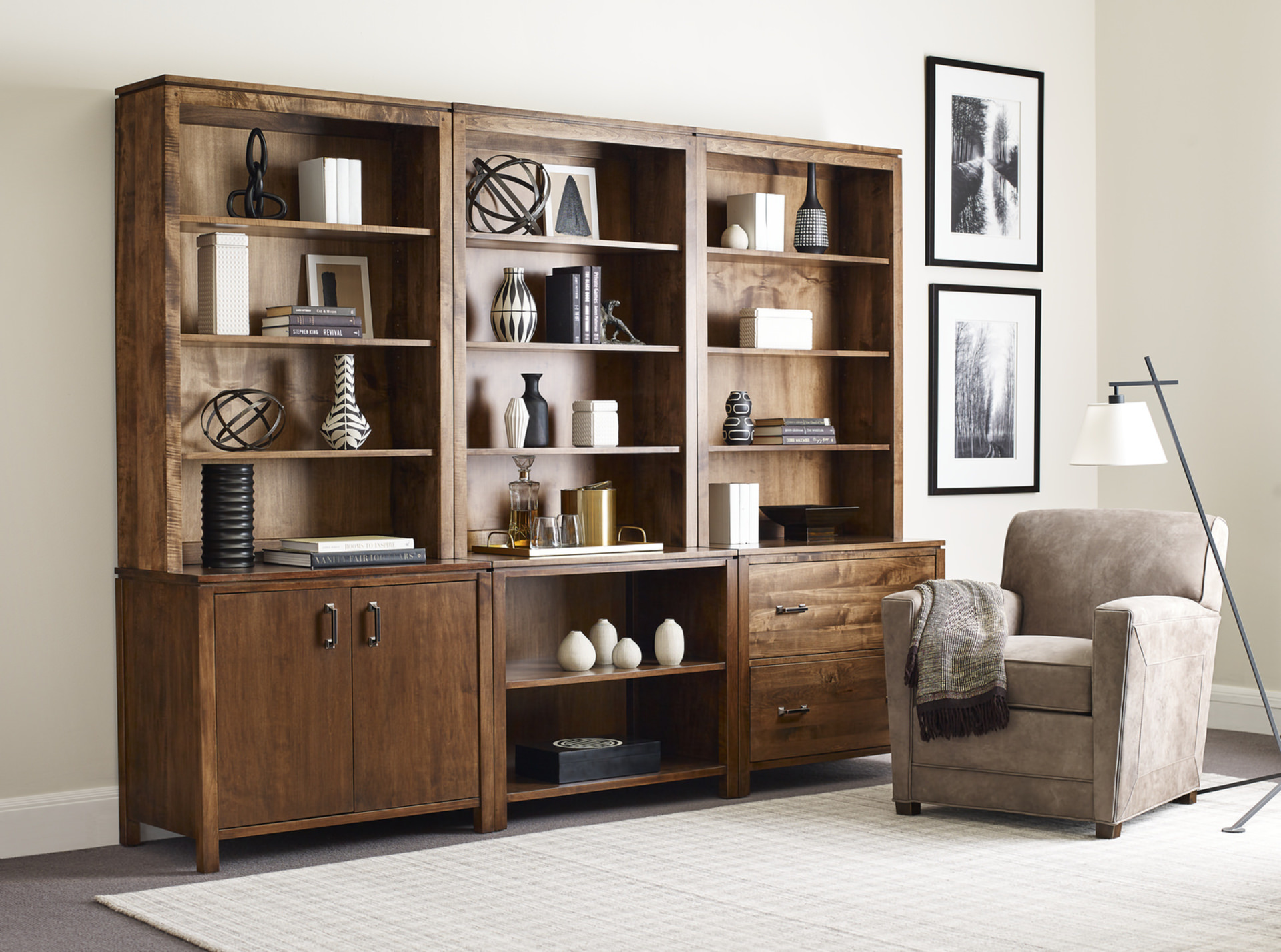
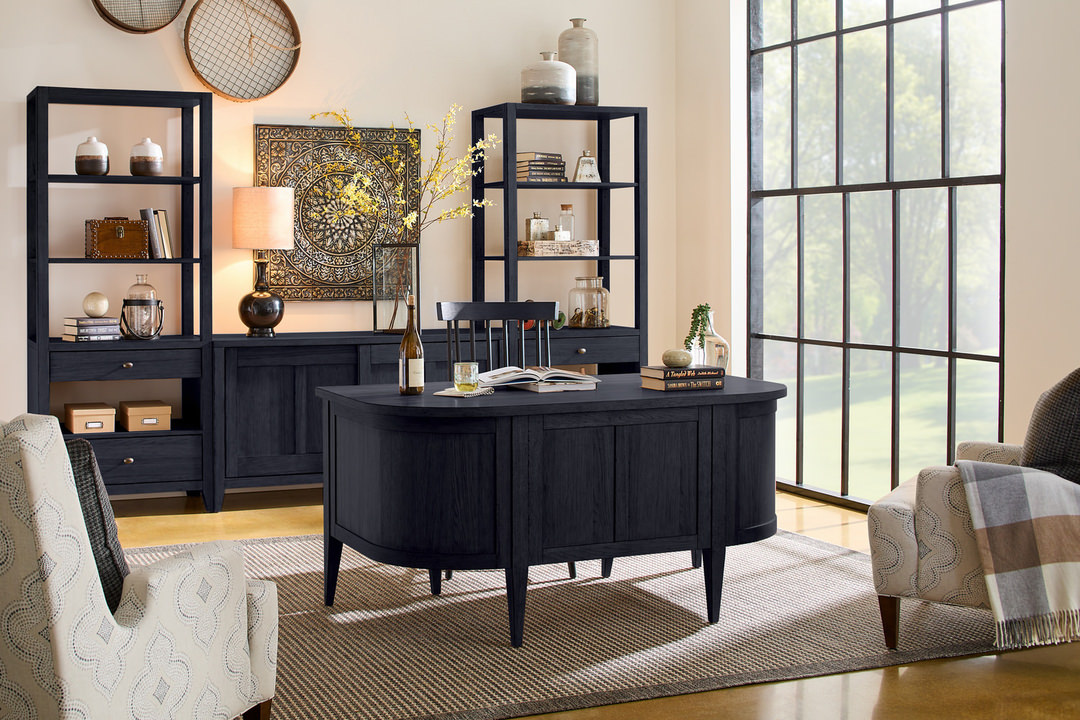
Start with books. Without them, a bookshelf is simply a display cabinet. Color blocking is a good approach if you're after specific tones; otherwise, think of hardcovers as displays in their own right. Objects are where your personality shines — vases, sculptures, candles, small framed photos, travel relics, and organic elements like rocks or coral. Just avoid filling your shelves to the brim. Negative space is the secret ingredient that separates amateur styling from professional design. It's simply the empty, unused area on a shelf, and it gives the eye a place to rest.
The Rule of Three and Why It Works
Another good rule to follow is the Rule of Three. Our brains naturally find odd-numbered groupings more attractive and easier to take in than even ones. Try grouping a stack of books with two decorative objects for an instant Rule of Three moment — then vary the height, scale, and texture within the grouping for a more put-together look. For example, balance a tall ceramic pot with a woven basket and a candle.
How to Style Books
Most people just line books up spine-out in a row, which works but misses an opportunity. Instead, mix vertical rows with horizontal stacks to create a look that speaks to you. This mix serves as the base you'll build the rest of your décor around. For a trendy, minimalist aesthetic, turn a few select stacks around to expose the pages instead of the spines. These small techniques are enough to transform a standard library into a curated, stylish display.
What to Put on a Bookshelf Besides Books
If you want your shelves to look like they were styled by a professional, you need to look beyond the reading material. Here are the most high-impact décor items to reach for, and how to use them:
- Ceramic Vases: Choose matte, textured, or glazed vases in a mix of heights. Varying the height is what makes the arrangement pleasing to the eye.
- Potted Plants and Trailing Greenery: Plants breathe life into a room. Place a small succulent on a stack of books, or let a trailing pothos vine cascade over the edge of the shelf.
- Framed Photos and Art: Instead of hanging decor on your walls, lean smaller art pieces or family photos against the back of the bookshelf. This adds depth and a lived-in feel.
- Unique Objects: Look for pieces like marble chain links, brass loops, geometric wooden blocks, or bookends. These give open spaces a focal point.
- Baskets and Decorative Boxes: Woven or leather boxes are perfect for the lower shelves. They introduce a cozy texture while hiding items like remote controls, chargers, or loose game pieces.
Common Bookshelf Styling Mistakes to Avoid
When your bookshelf styling feels off, you've likely fallen into one of a few common design traps. To keep your display looking intentional, avoid these three pitfalls:
- Drowning in tiny knick-knacks: Too many small items create instant visual chaos. Anchor each shelf with a few large, substantial pieces, and let smaller objects play a supporting role.
- Going all or nothing: A shelf packed solid with books feels heavy and dark, while one filled with only decorative objects feels sparse and empty. Aim for a balanced blend where your reading material and décor complement each other.
- Clustering heavy items together: Your eye should travel smoothly across the whole unit in a balanced "Z" pattern. Distribute dark colors, large books, and heavy objects diagonally across different levels so the unit doesn't look lopsided.
Ready to Style Your Own Shelf
Styling a bookshelf isn't about having the perfect items or an eye for design — it's about having a system. Clear the clutter, build with books, objects, and negative space, group in odd numbers, and keep an eye out for the common mistakes above. With a little patience and rearranging, your bookshelf will go from a place to store books to one of the most personal, curated spots in your home.







2026
October
September


August
July



June


May


April



March

February


January



2025







Related Products

only 2 left in stock!
Redmond Linen Bookcase