Is It Time for a New Mattress? 7 Signs You Shouldn’t Ignore
Most people keep their mattress far too long — here’s how to know when it’s actually time to replace yours.





We are living in a world where sleep hygiene is trending. We track our REM cycles, sip chamomile tea, and dim our screens before bed. Yet we completely ignore the most critical factor of all: the foam and springs we lie on for a third of our lives. Most mattresses last anywhere from 7 years to 10 years, depending on the style and construction.You might blame your morning back pain on stress or your afternoon fatigue on a lack of caffeine, but the real reason may be hiding right underneath your sheets. So, when the “How do I know if I need a new mattress?” As questions arise, here are 7 signs you should not ignore. If you're waking up tired or tossing and turning in your sleep, then it's likely that your mattress is officially past its prime.
Visible Sagging or Body Impressions
Your body needs to shift freely throughout the night to get good, deep sleep. When a mattress sags, it essentially "remembers" your exact body shape, trapping you in a divot. This uneven surface throws off your alignment, leading to restless nights and morning stiffness. Instead of your bed conforming to support you, you're forced to adjust to the damage. Think of the sagging as your bed's ultimate cry for help before its structural integrity fails completely. If you are starting to slide into a single spot or see visible valleys under your sheets, take the hint and start shopping.
2. Waking up with aches and stiffness
Your mattress plays a massive role in your daily energy and overall health. If you are waking up with achy joints and stiff muscles, it may mean your body is actively fighting for comfort rather than relaxing while you sleep. This morning discomfort is the ultimate indicator that your sleep surface is in its final stages of life and can no longer provide proper support. As the top comfort layers wear thin, your body’s pressure points move up against the hard support core. This severe lack of cushioning forces you into unnatural positions for hours at a time. If your back pain magically dissipates after 30 minutes of stretching and moving around, your bed is probably the culprit.
3. Better sleep elsewhere
If you regularly experience deeper, more restorative sleep in hotel rooms, on guest beds, or even on the living room sofa, it’s a sign that your own bed isn’t doing its job anymore. Your body is incredibly smart. It will automatically crave any alternative surface just to get the structural support and alignment it is missing at night. Consistently waking up refreshed away from home indicates that your personal bed is no longer capable of inducing deep REM cycles. Whether you're waking up feeling more rested or you’re moving better than you have in years, if you have better sleep outside of your own bed then guess it's time for an upgrade.

4. Mattress is 8+ years old
If your mattress is from a decade ago or at the very least, coming up on its double-digit birthday, then consider looking into some newer models. Structural materials like polyurethane foam and steel coils naturally lose their resilience and elasticity. Even if a mattress looks visually acceptable at this age, its internal engineering is no longer providing sound orthopedic support. Even the highest-quality sleep surfaces face an uphill battle against time, gravity, and daily physical pressure.The older the wiser, unless it’s your mattress.
5. Allergies or asthma worsening
Your bed should be a place of comfort and relaxation, but an old mattress can quietly work against that: think dust, grime, and even mold growth. Over time, mattresses become primary breeding grounds for dust mites, fungal spores, and pet dander that feed on shed skin cells. If you find yourself waking up with chronic congestion, watery eyes, a scratchy throat, or heightened asthma symptoms, your bed is likely overloaded with allergens.
Unlike sheets, a mattress can't simply be tossed in the wash. Having your mattress covered appropriately, and your bedding washed routinely to reduce build-up can help reduce symptoms. However, sometimes even professional cleaning cannot reach deep enough into the core layers. So watch the signs and be aware of when you need to invest in a new mattress. Be sure to buy the appropriate mattress protector and bedding to protect your new mattress.
6. Partner disturbance / poor motion isolation
Is your partner waking you up with their tossing and turning? Then you are experiencing issues with your mattress motion isolation. A functional mattress should absorb localized movement so that one person's shifting does not disrupt the other. As foam layers degrade, energy transfers freely across the entire width of the bed. This poor motion isolation leads to constant micro-awakenings throughout the night whenever your partner rolls over or gets up. When every minor movement feels like an earthquake on your side of the bed, the structural dampening components are entirely shot.
7. Coil noise
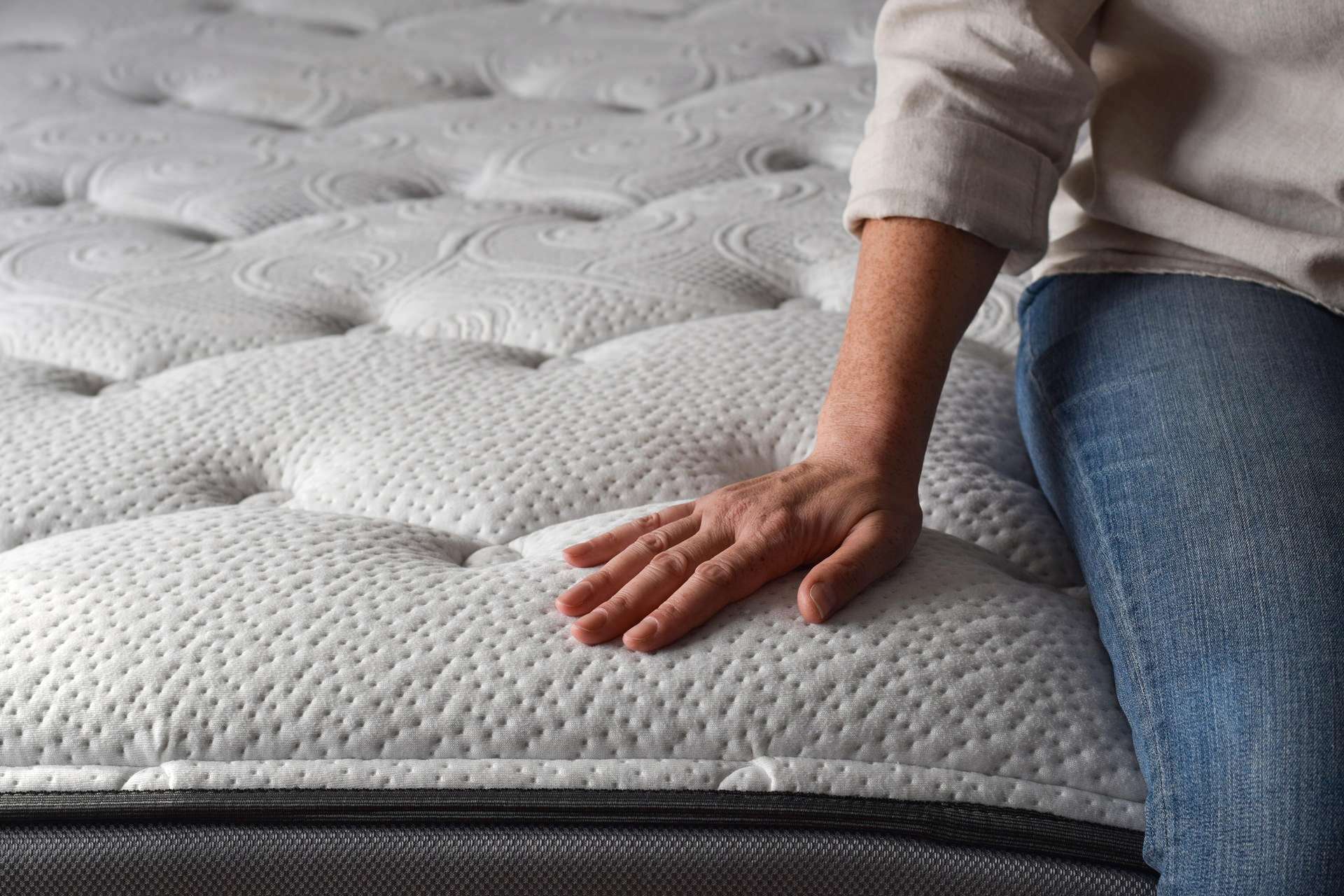
Innerspring and hybrid mattresses should operate completely silently when you shift positions or get in and out of bed. Squeaking, popping, screeching, or grinding noises are the sounds of snapped coils under stress. Worn-out, noisy springs can no longer provide uniform, safe support, directly leading to severe morning aches and sagging. In other words, if you hear the squeaking then it's time to seek (out a new mattress).
What to look for in your replacement
Noticing the mattress in your bedroom is finally at its end is the easy part, so let's help you with what to look for when finding a replacement for ol’ reliable. It is very important that you go in the store to test out mattress types and learn more about the kind of mattress you want to buy. There are all sorts of sizes, mechanics, styles, brands that you can choose from. So, getting the opportunity to speak with a mattress specialist and test out different options will help you make the right decision for you and your lifestyle. HOM Furniture is here to help you find the right solution and get you on track for the best sleep of your life.
Mattress FAQ
How do I make my new mattress last longer?
To get the most out of your mattress, upgrading to a solid bed foundation, adding a waterproof protector, and installing mid-bed supports will give it the extra reinforcement it needs. Beyond that, simple adjustments like rotating it regularly, using a mattress protector, washing your bedding, and avoiding sitting on the edges or jumping will easily push it to its full lifespan.
How often should you replace a mattress?
It’s recommended that your mattress should be replaced every 7 to 8 years depending on the condition and construction or quality of your mattress, as well as its use
How do I properly dispose of my old mattress?
You can recycle it, donate it if it is in clean condition, or arrange a bulk trash pickup through your city's waste management department. HOM Furniture offers mattress removal exclusively for customers purchasing a new mattress with White Glove Delivery.










2026
September