How to Choose a Bed Frame: Everything You Need to Know Before You Buy
Upholstered or wood, platform or panel: here's how to find the bed frame that fits your bedroom, your mattress, and your style.



Walk into any furniture showroom (or scroll any furniture website) and you'll find a world of options: platform, panel, storage, low-profile, box-spring-required, box-spring-optional. With so many bed frame styles to choose from, and plenty of good opinions about upholstered vs. wood bed frames, there's definitely a style and setup out there for exactly how you want to sleep, and we can help you find it.
Here's the good news: learning how to choose a bed frame really comes down to four decisions. Once you work through style, material, size, and mattress compatibility, the best bed frame for your bedroom becomes obvious. Let's break it down.
Decision 1: What Style Fits Your Room?
Bed frame "style" refers to the frame's construction and silhouette, and it has a bigger impact on your room's look, and your comfort, than almost any other furniture choice you'll make. Here are the most common types you'll come across.
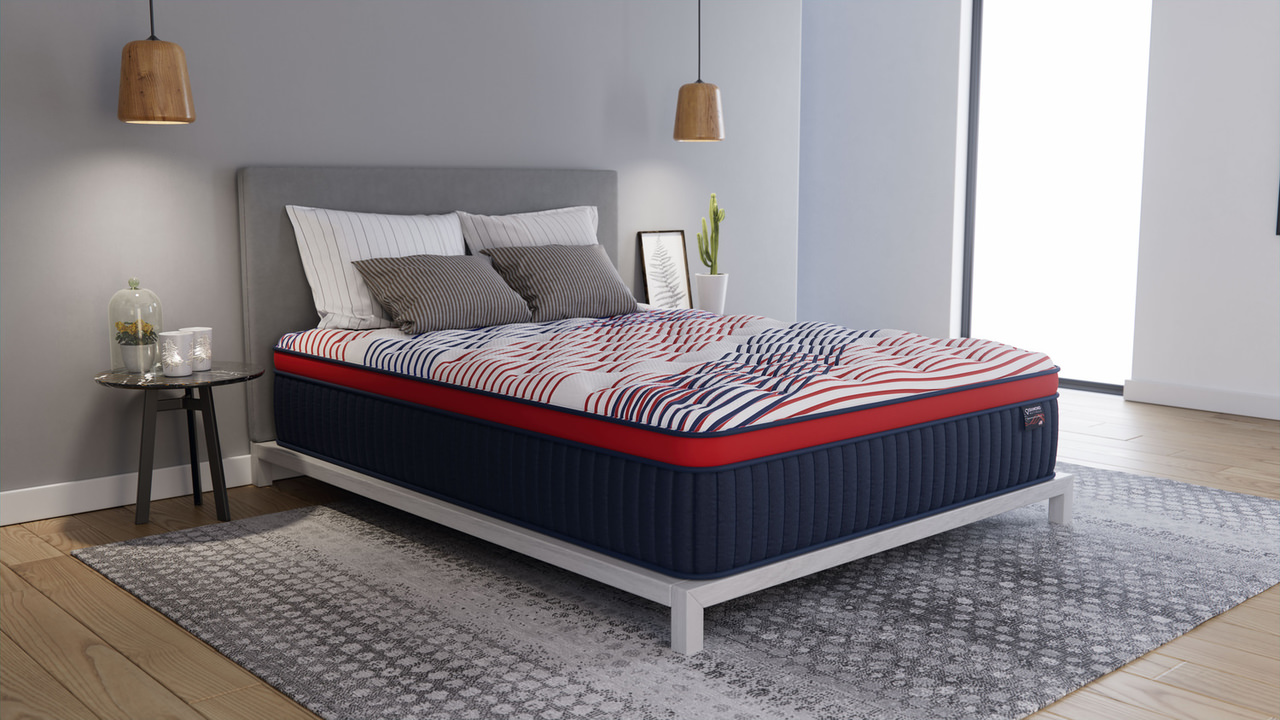
Platform Bed: A low-profile frame with a solid or slatted base that supports your mattress directly, no foundation needed. Best for modern, minimalist, or Scandinavian-style rooms, and pairs especially well with memory foam or hybrid mattresses that don't require extra support.
Panel Bed: A traditional frame with a flat, often wood-paneled headboard and footboard. Best for classic or transitional bedrooms that want structure without heavy ornamentation. The main difference from a platform bed: a panel bed's frame is designed to hold a mattress foundation (like a box spring), while a platform bed's slatted or solid base supports the mattress on its own, with no foundation piece required.
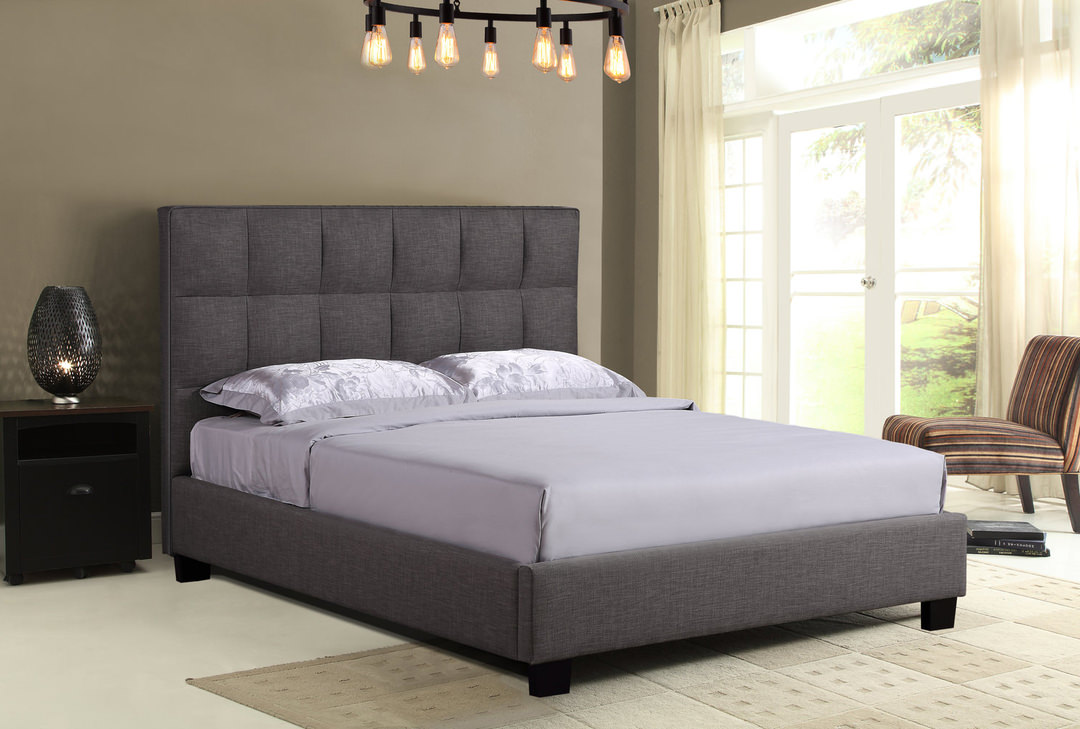
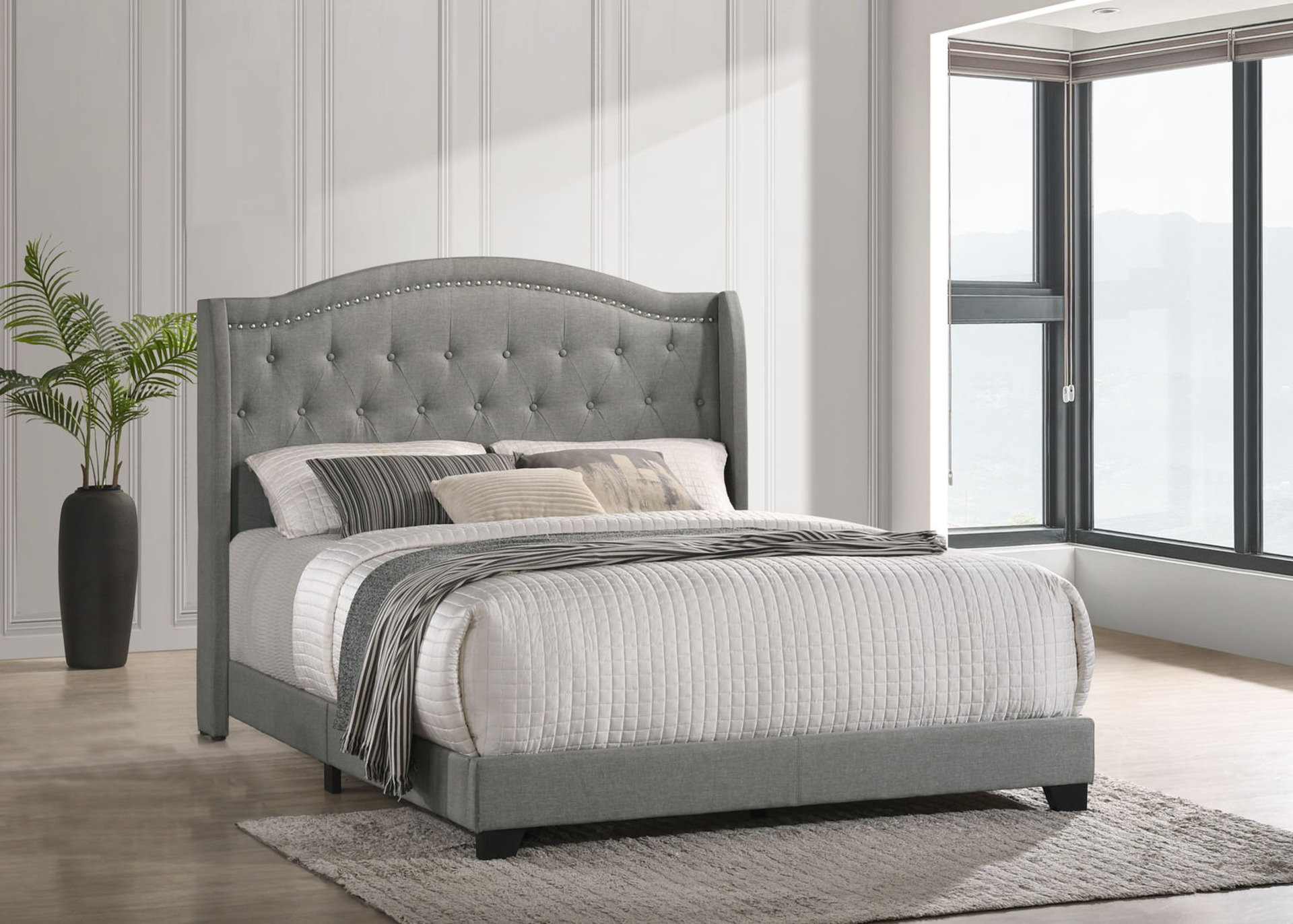
Upholstered Bed: A frame with a fabric- or leather-wrapped, padded headboard (and sometimes footboard). Best for anyone who wants a warm, hotel-like feel in the bedroom, or who likes to sit up and read or watch TV in bed. The padded headboard doubles as a backrest.
Storage Bed: A frame built with drawers underneath or a lift-up platform that reveals hidden storage. Best for small bedrooms, apartments, or anyone short on closet space; it's essentially a built-in dresser under your mattress.
Bunk Bed: Two (or more) beds stacked or joined vertically on a single frame. Best for kids' rooms, shared bedrooms, or any space that needs to sleep more than one person without using more floor space.
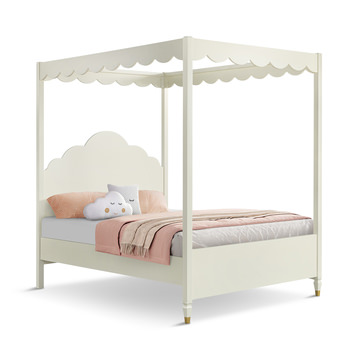
Canopy or Poster Bed: A frame with four tall posts (and sometimes a connecting top frame) rising above the mattress. Best for larger bedrooms with higher ceilings and anyone wanting a dramatic, architectural focal point.
Daybed or Trundle: A frame designed to function as both seating and sleeping space, often with a pull-out second mattress. Best for guest rooms, home offices, or kids' rooms that need to multitask.
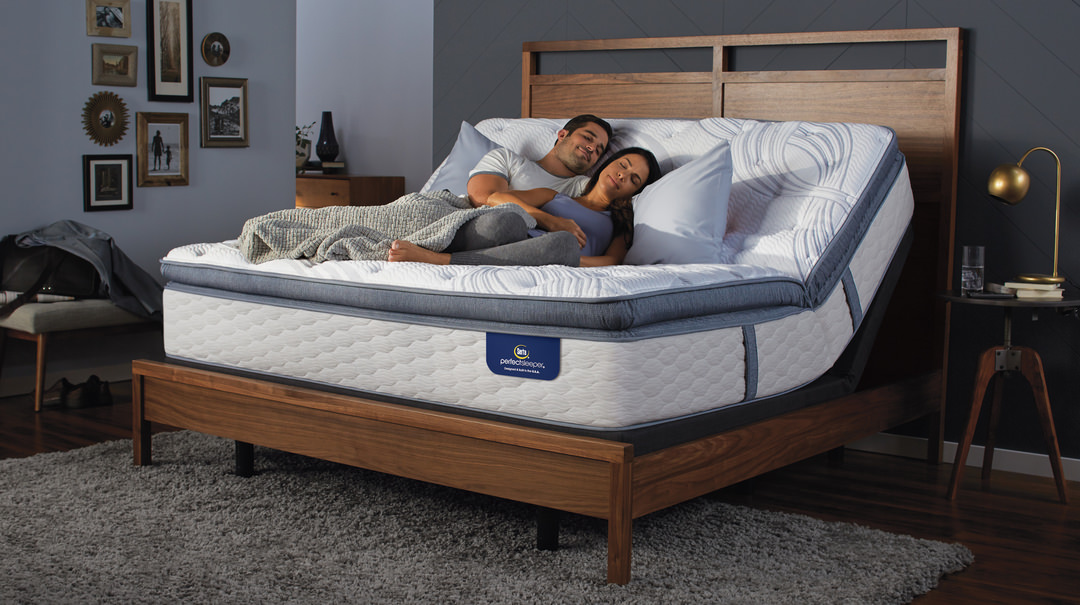
Adjustable Base Bed: A frame built to work with a motorized, adjustable foundation that raises the head and foot of the mattress. Best for anyone who wants to read, watch TV, or relieve pressure on their back at night, or who has specific mobility or health needs.
If you're still narrowing down your overall bedroom aesthetic before you shop frames, our full bedroom design guide walks through pulling a whole room together.
Decision 2: What Material Should You Choose?
Once you've settled on a style, material shapes both durability and feel.
- Wood frames (oak, pine, mango, engineered wood) tend to be the most durable long-term, offer a warmer, more traditional look, and typically cost less to maintain since there's no fabric to clean or wear out.
- Upholstered frames (fabric or performance velvet, linen, leather, or faux leather) bring softness and comfort, literally something to lean against, but require more care, especially with light-colored or natural fabrics.
- Metal frames are typically the most budget-friendly and lightweight option, great for guest rooms or frequent movers, though they generally read as more utilitarian than wood or upholstered options.
There's no universally "better" material; it's a trade-off between durability, comfort, and maintenance. A wood frame in a busy household with pets might outlast an upholstered one; an upholstered frame in a primary bedroom might be worth the extra care for the comfort payoff.
Decision 3: What Size Bed Frame Do You Need?
This is where most bed frame mistakes happen: usually buying a bed too large for the room. Here's what to know.
Standard mattress sizes (and the frame dimensions that go with them):
| Size | Mattress Dimensions | Recommended Minimum Room Size |
| Twin | 38" x 75" | 7' x 10' (70 sq ft) |
| Twin XL | 38" x 80" | 7' x 10' (70 sq ft) |
| Full | 54" x 75" | 9' x 10' (90 sq ft) |
| Queen | 60" x 80" | 10' x 10' (100 sq ft) |
| King | 76" x 80" | 12' x 12' (144 sq ft) |
| California King | 72" x 84" | 12' x 13' (156 sq ft) |
The common mistake: squeezing a king-size bed into a room that's really only built for a queen. It might look fine on the showroom floor, but in a smaller bedroom, an oversized frame eats up floor space you need for dressers, walking room, and simply opening doors and drawers without bumping into the bed.
The clearance rule of thumb: leave at least 24 inches of clearance on each side of the bed for walking room, and at least 36 inches at the foot of the bed if that's your main walkway (more if it's near a closet or dresser you'll be opening regularly). Measure your room and subtract the clearance you need on all sides before you fall in love with a frame size.
Decision 4: Will It Work With Your Mattress?
Style and size aside, your bed frame also needs to physically support the mattress you have (or plan to buy).
- Platform beds have built-in slat or solid support and generally don't need a foundation, so check the manufacturer's slat spacing (usually under 3 inches apart) if you're using a memory foam or all-foam mattress, which needs closer support to prevent sagging.
- Panel frames are often designed to work with a foundation, which adds height and support, particularly for innerspring mattresses.
- Adjustable bases require a frame specifically rated to hold one, since not all bed frames are compatible, so confirm before you buy if an adjustable base is in your future.
- Frame height matters for comfort, too. Measure from the floor to the top of your mattress once it's on the frame; most people find 20–25 inches (about the height of a standard chair seat) the easiest to get in and out of.
Mismatching a frame and mattress type is one of the most common (and most avoidable) bed-buying regrets, so always check the frame's support requirements against your mattress type before checkout.

Frequently Asked Questions
Should I get an upholstered or wood bed frame? It depends on what you're prioritizing. Choose upholstered if comfort, softness, and a warm, luxurious look matter most, especially if you like to sit up in bed. Choose wood if durability, easier maintenance, and a traditional or natural look are the priority. Households with kids or pets often lean wood; primary bedrooms built for relaxation often lean upholstered.
What size bed frame do I need for my bedroom? Start with your room's square footage, then work backward. A queen bed generally needs at least a 10' x 10' room, while a king needs closer to 12' x 12', once you factor in the 24-inch side clearance and 36-inch foot clearance for walking room. Measure your space before choosing a mattress size, not after.
How tall should a bed frame be? Most people find a total mattress height of 20 to 25 inches off the floor most comfortable to get in and out of, about chair height. Platform beds run lower for a more modern look, while frames with a foundation sit higher, closer to a traditional bed height.
Do I need a foundation with my new bed frame? It depends on the frame. Platform beds are built with their own support system and typically don't require one. Traditional panel frames are usually designed to be used with a foundation. Always check the manufacturer's specifications for your specific frame and mattress type.
Ready to find your new bed frame? Explore platform, upholstered, storage, and traditional styles in person or online at HOM Furniture , and check out our full bedroom buying guide for help pulling together mattresses, nightstands, and dressers to match.








2026
October