The 5 Rules for Choosing the Right Color When Custom Ordering Fabric or Leather
Before committing to a custom color, here's what interior designers always consider first





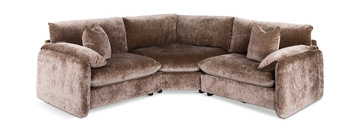
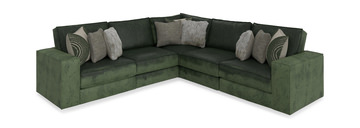
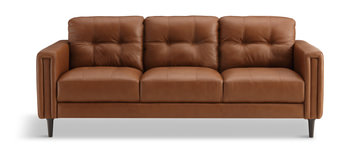
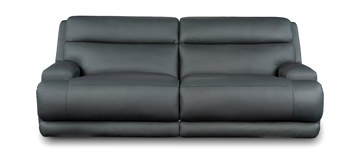
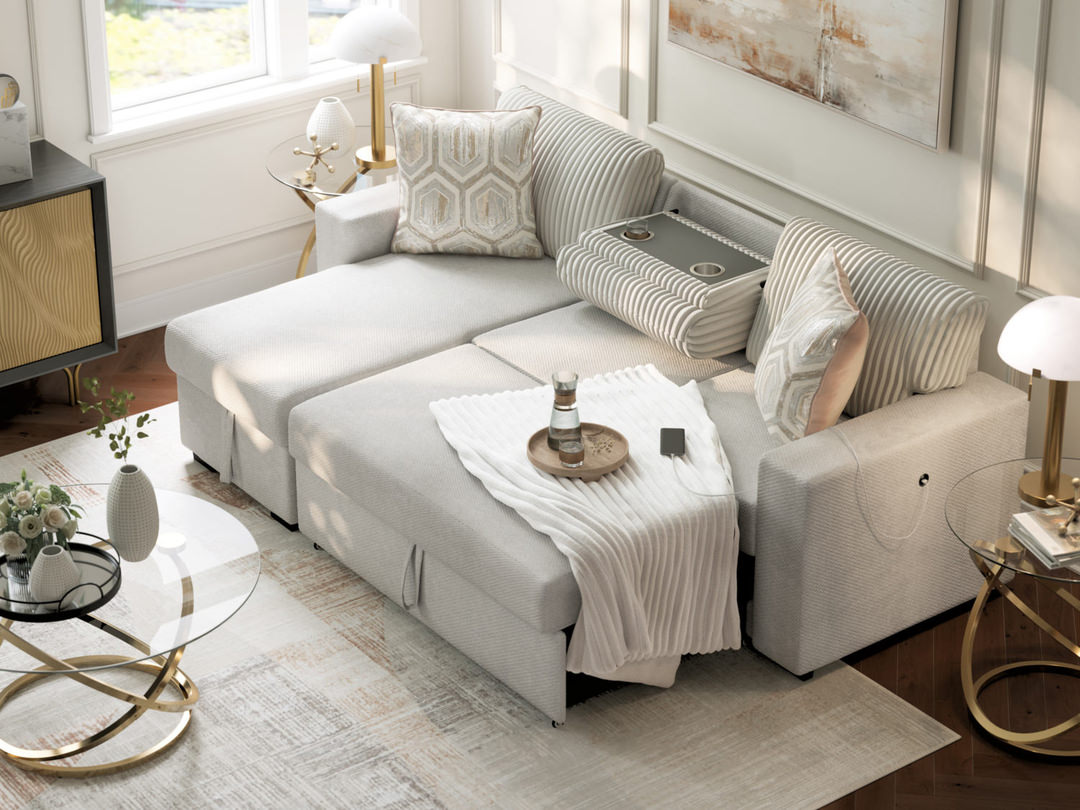
At HOM Furniture, custom upholstery means you're not limited to what's on the showroom floor. Many of our sofas, sectionals, chairs, ottomans, and other upholstery and leather seating pieces can be custom-ordered in a wide range of fabrics and leathers, giving you the flexibility to create a look that's uniquely yours. Whether you're drawn to a warm cognac leather, a slate performance weave, or a soft neutral linen blend, the process starts the same way: with your room.
When it comes to how to choose furniture fabric color, the most important step is simple: start with your space, not the swatch. The right upholstery color should complement your home's existing finishes, work with your lighting conditions, and support the way you live every day.
This custom upholstery color guide walks you through five designer-approved rules to help you choose a color that works now—and still looks right years from now.
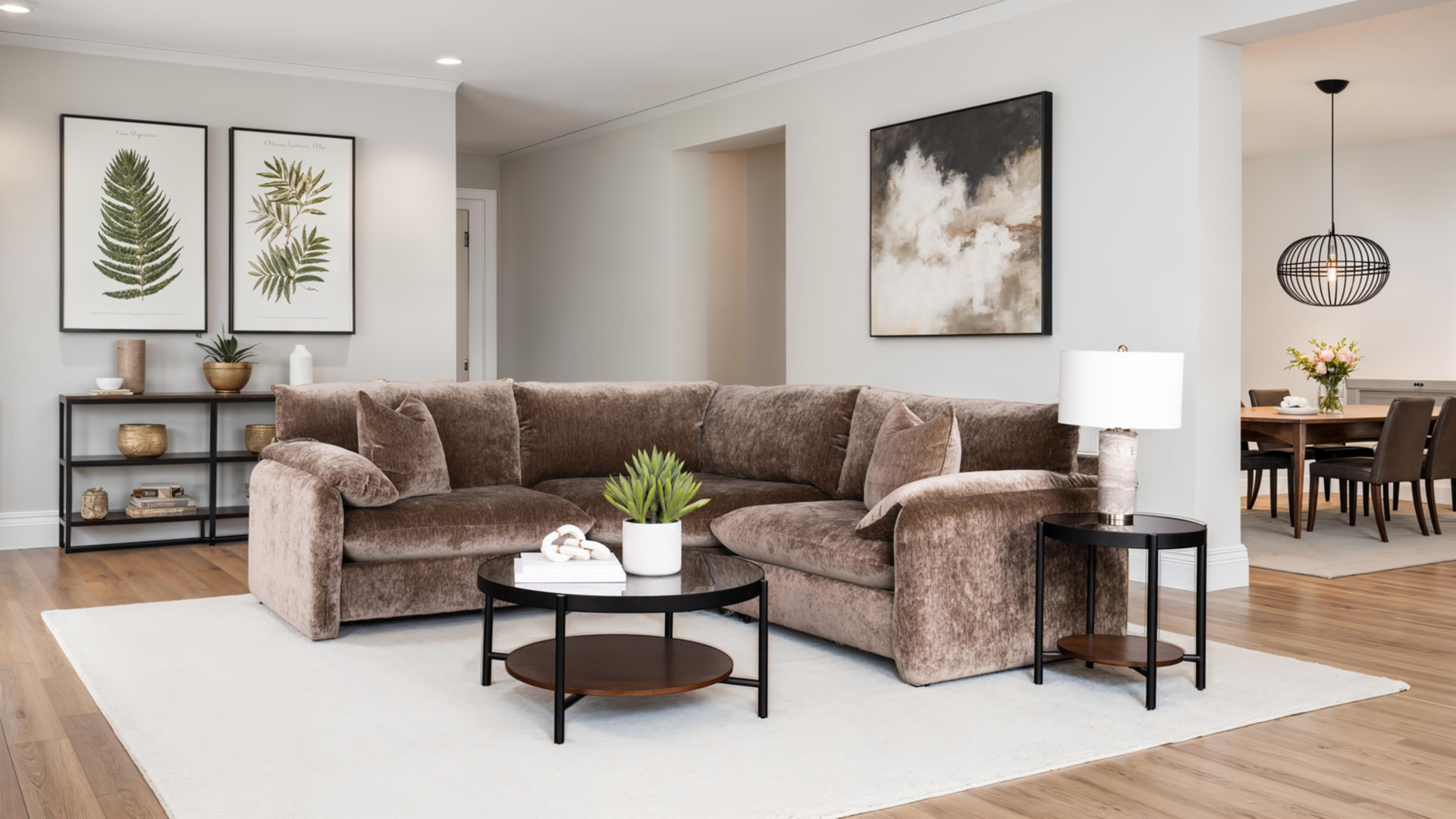
1. Start with Your Room’s Fixed Elements
What should you look at before choosing upholstery color?
Start with what’s not changing—your floors, walls, trim, and large rugs.
These elements determine your room’s undertone:
- Warm (gold, red, yellow): found in oak, walnut, or beige finishes
- Cool (blue, gray): found in gray flooring, white walls, or black accents
Your upholstery should align with these undertones:
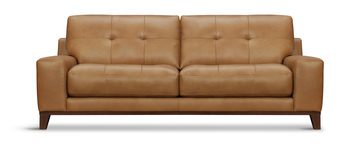
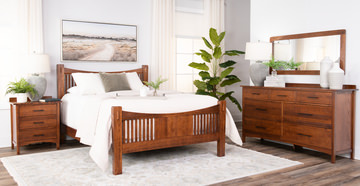
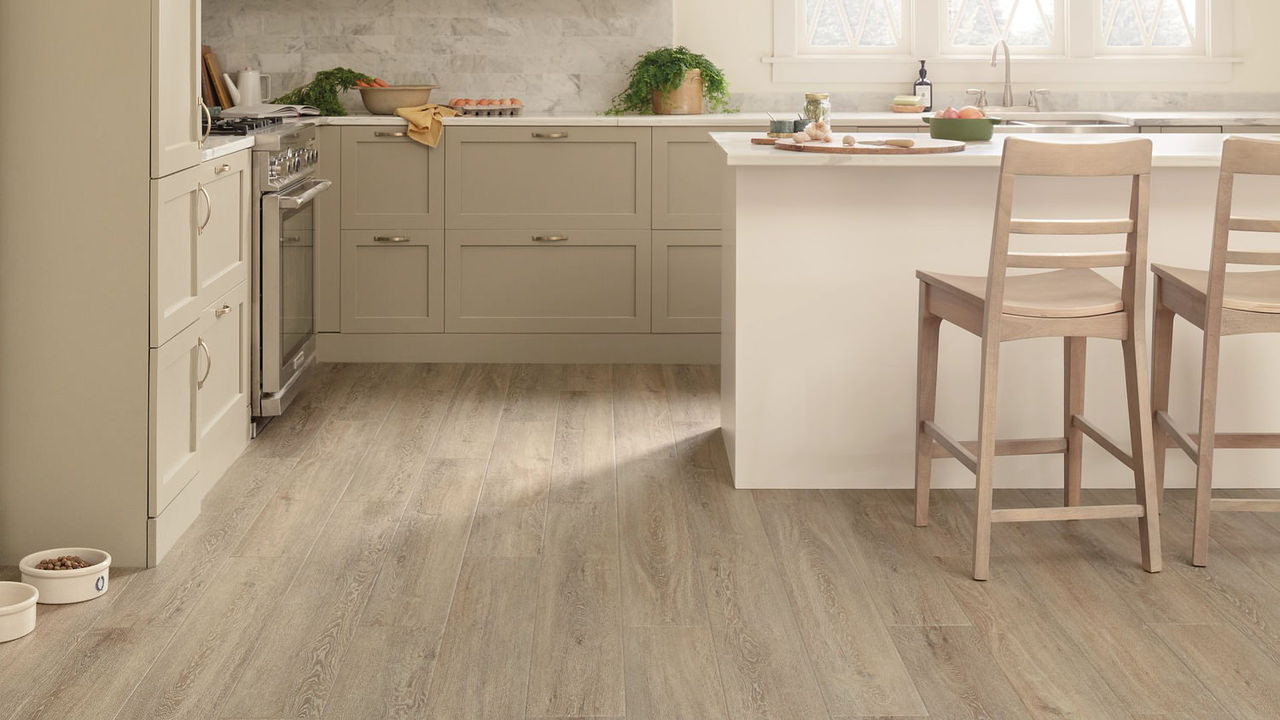
- Warm floors + greige walls: choose taupe, cream, or camel leather
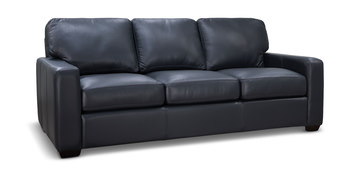
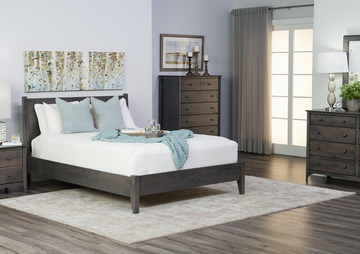
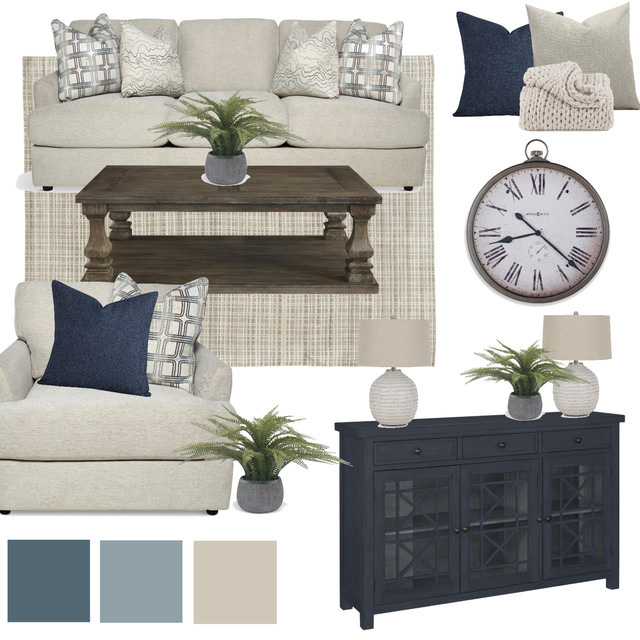
- Cool floors + white walls: choose charcoal, navy, or slate
This is one of the most important leather furniture color tips: when tones clash, even beautiful furniture can feel out of place.
2. Evaluate the Lighting—At the Right Time of Day
Why does fabric color look different at home than in-store?
Lighting changes everything.
Here’s how:
- North-facing rooms: cooler light, colors look darker and muted
- South-facing rooms: warmer light, colors appear brighter and warmer
- Evening use: artificial light can shift gray toward beige or soften dark tones
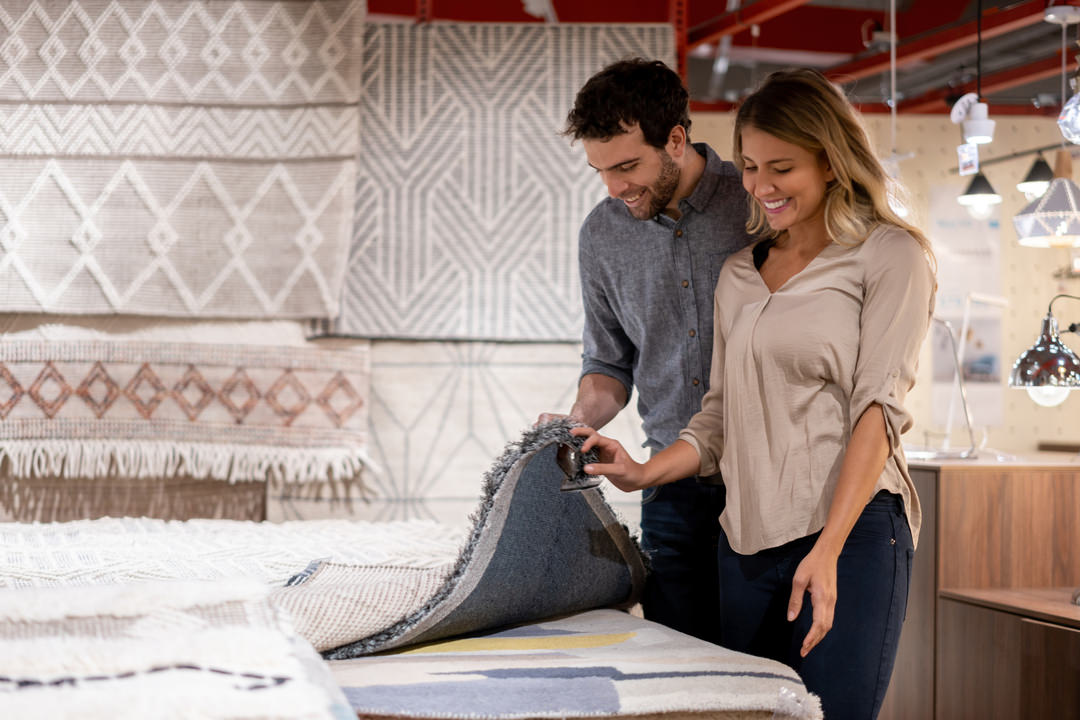
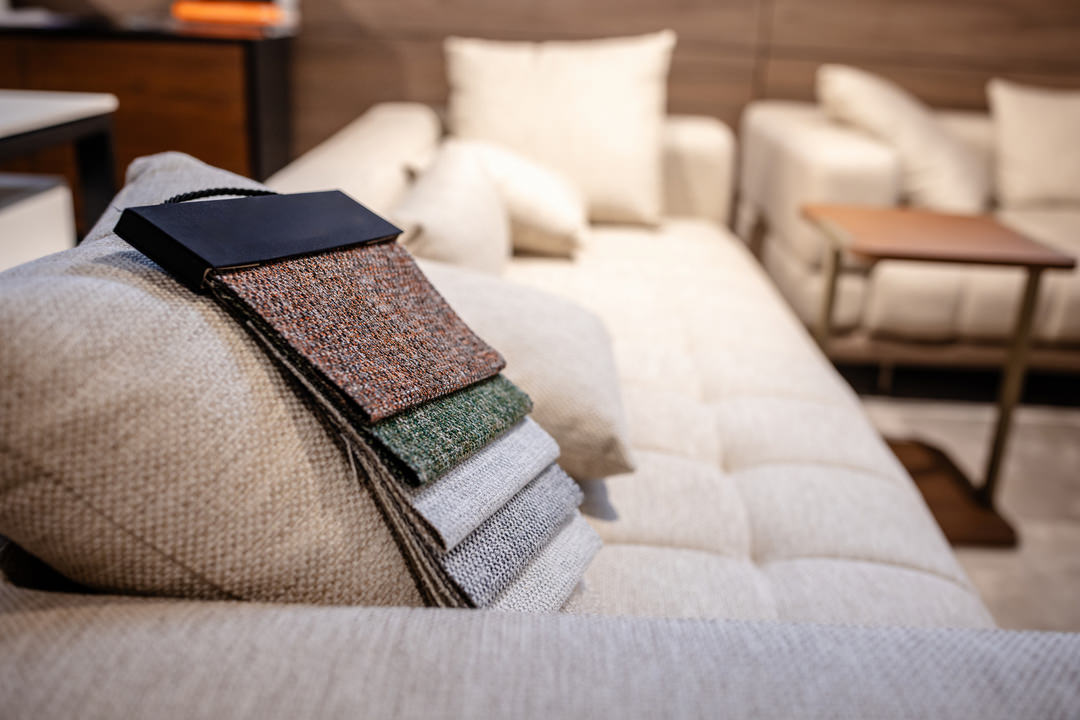
Before committing, make sure you view swatches in your room. This step is often skipped—but it’s essential to any effective custom upholstery piece.
Swatches almost always look different at home than they do in a showroom. To avoid surprises:
- View samples against your floors, walls, and existing furniture
- Check them in both natural daylight and evening lighting
- Place them next to key items like rugs or pillows
If you’re deciding between a few options, narrow it down to two or three and live with them for a couple of days. You’ll quickly start to notice which one feels right—and which one doesn’t.
This step is one of the simplest ways to feel confident in how to choose furniture fabric color without second-guessing your decision later.
3. Pull From the Room—Don’t Match It Exactly
How do you coordinate furniture color without matching everything?
Don’t match—balance.
Instead of trying to align your sofa exactly with your walls or floors, create contrast and layers:
- Light room: add depth with navy, camel, or medium gray
- Bold room: ground it with beige, cream, or soft taupe
You can also pull subtle color cues from décor:
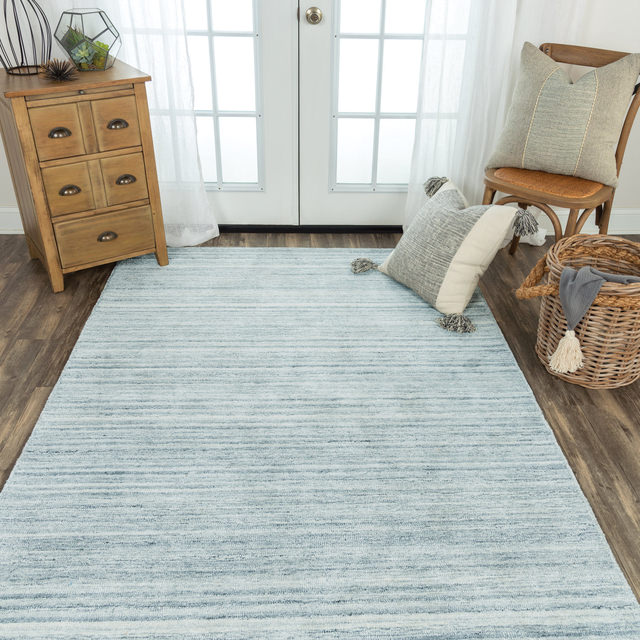
- Green in a rug: try a sage or olive chair
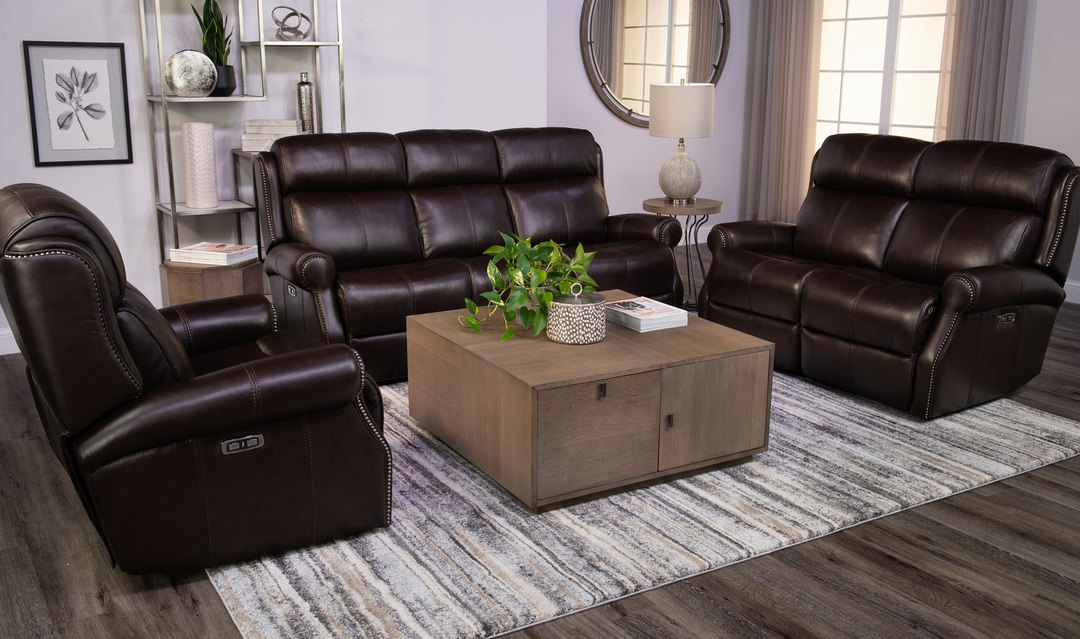
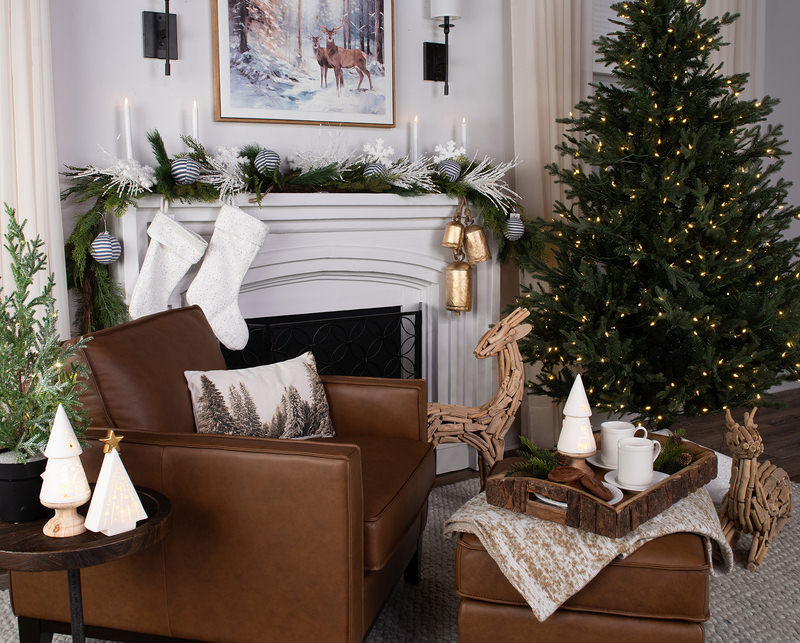
- Warm tones in artwork: consider cognac leather
If you’re unsure how to approach how to choose furniture fabric color, start by identifying one accent color already in the room and build from there.
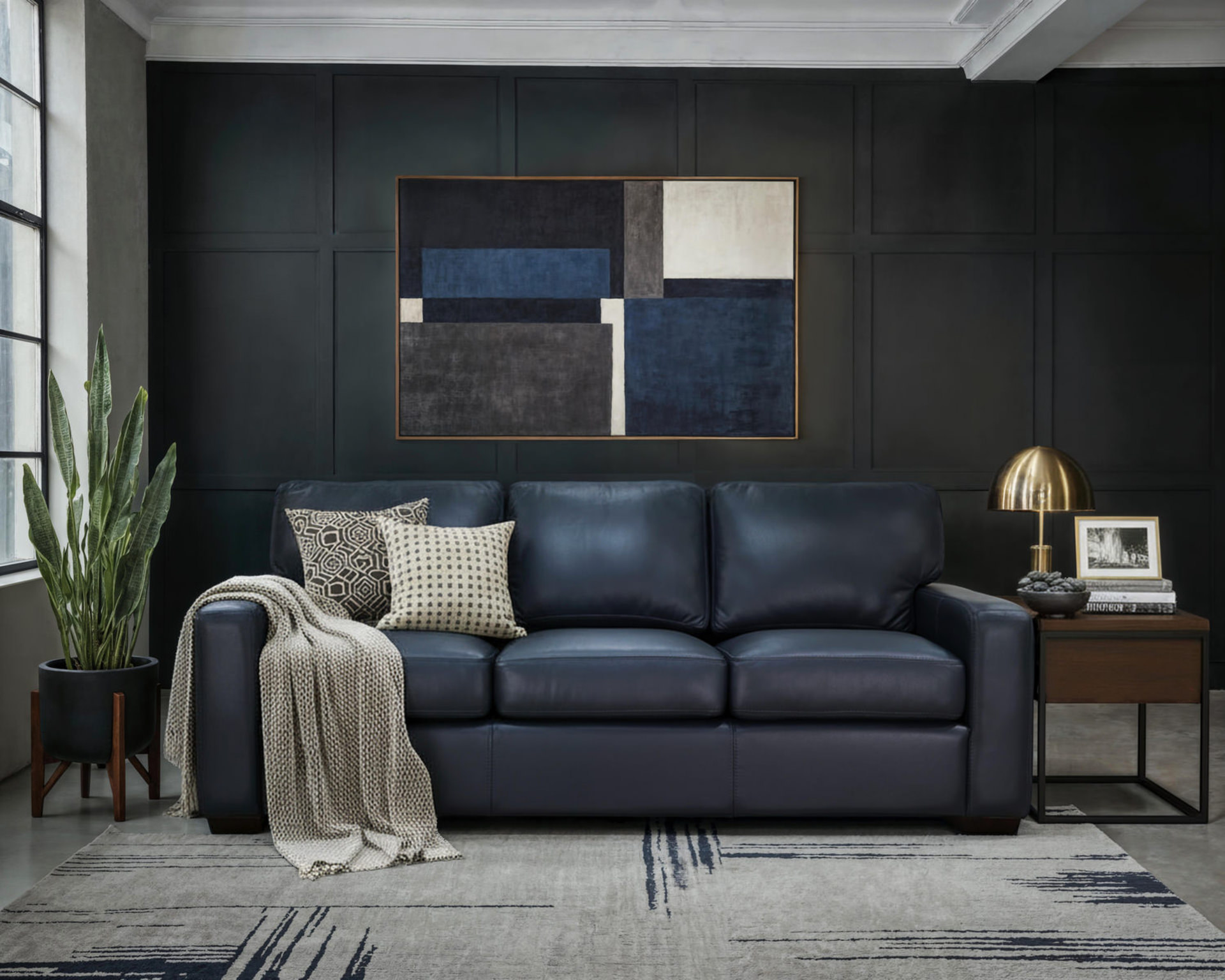
4. Balance Longevity with Lifestyle
What is the most timeless color—and should you follow trends?
Start with longevity, then layer in personality.
Timeless upholstery colors include:
- Beige, taupe, warm gray
- Cream and soft ivory
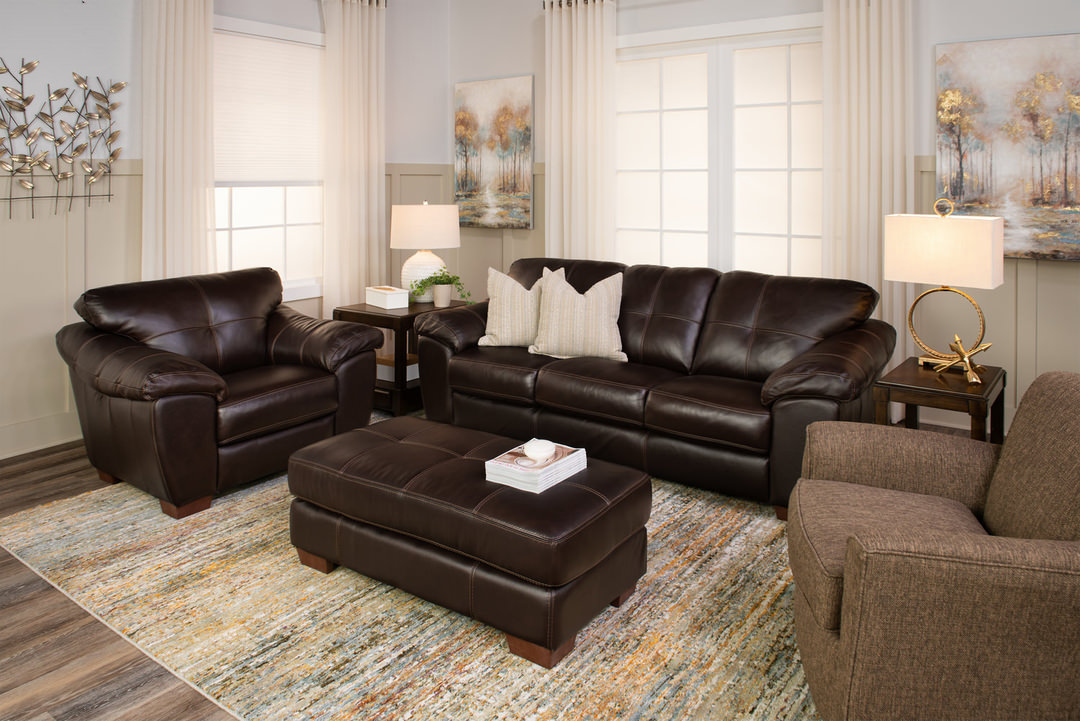
- Brown, tan, and camel leather
If you want color:
- Navy and deep green feel classic but still rich
- Trend tones (terracotta, blush) work best in smaller doses
Lifestyle matters just as much:
- Kids or pets: mid-tones hide wear best
- High-traffic areas: textured fabrics outperform flat solids
If you’re looking for the best sofa color for living room spaces, neutrals and classic tones win because they adapt easily as your décor evolves.
5. Consider Proportion, Scale, and Room Size
Should furniture be lighter or darker than the floor?
Either works—the key is contrast.
Color impacts how large or heavy a piece feels:
- Darker colors: grounding, but can feel heavy in small rooms
- Lighter colors: airy, ideal for compact spaces
Use this quick guide:
- Small room: light or mid-tone upholstery
- Large room: deeper tones add dimension
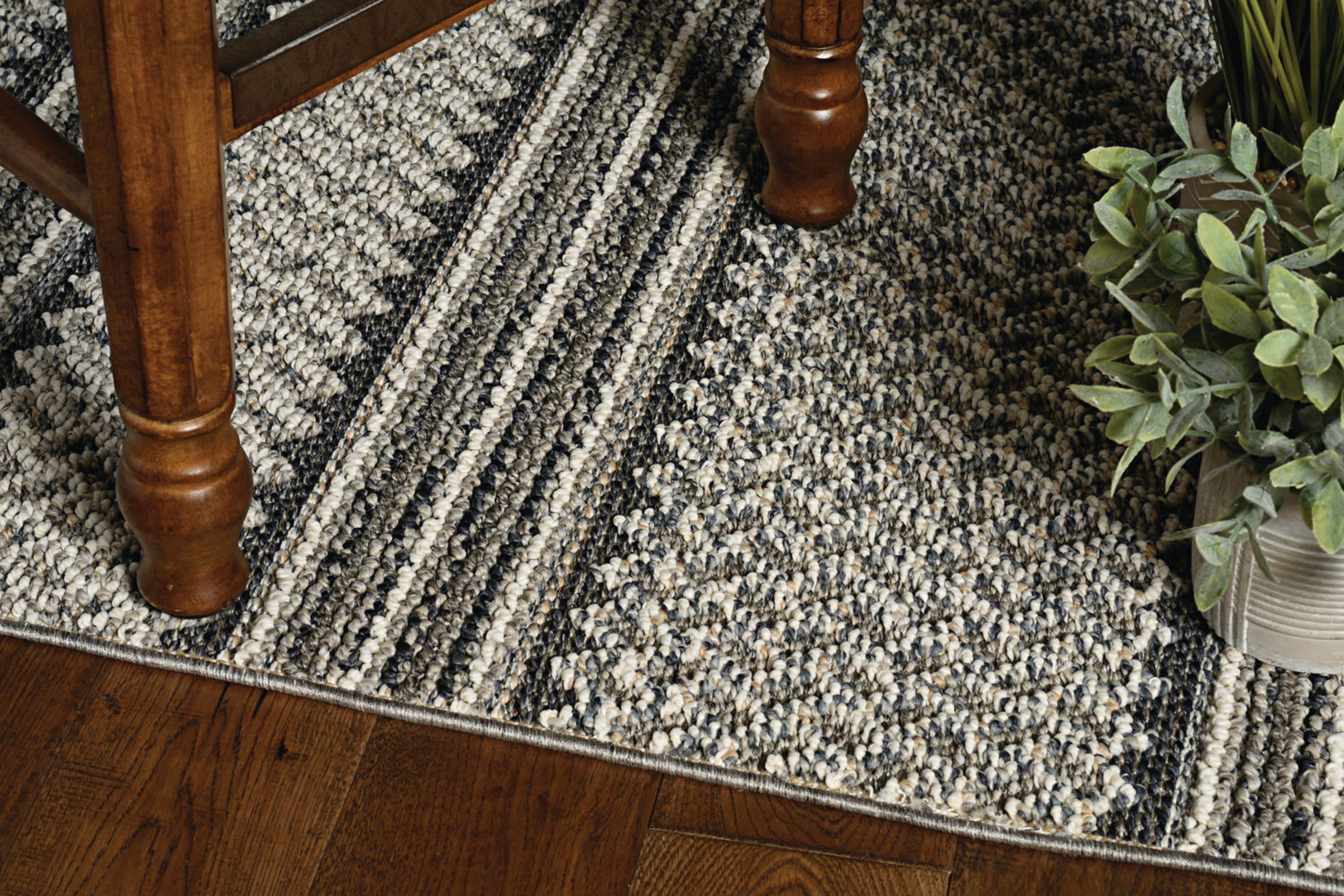
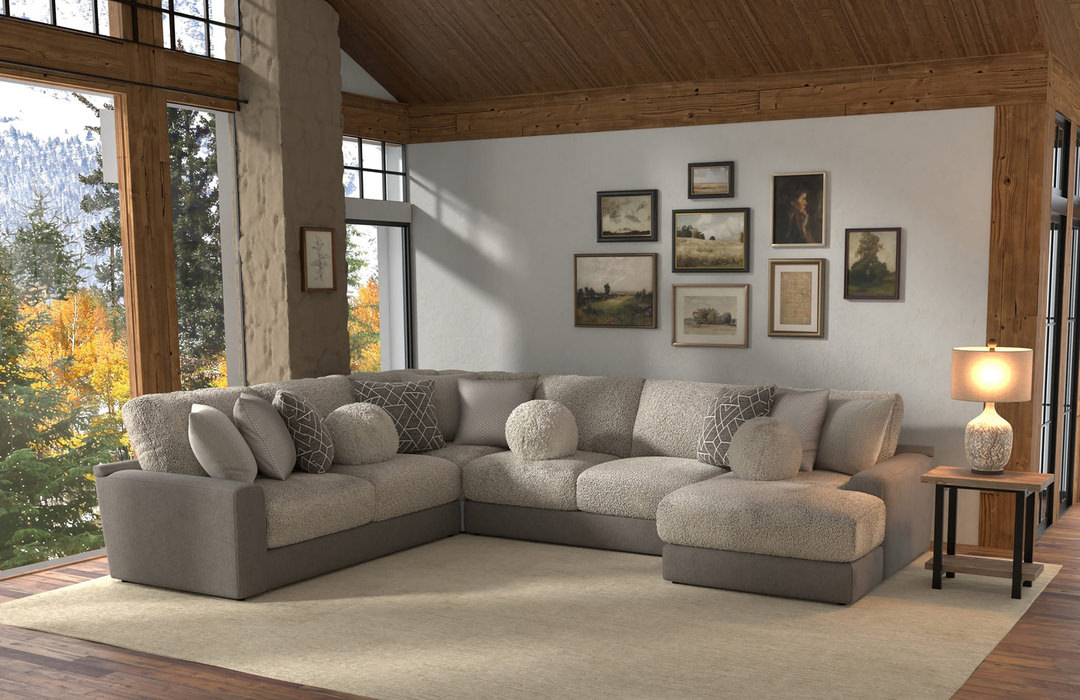
Avoid choosing a sofa too close in color to your flooring unless you’re adding contrast through texture (like boucle vs. wood grain).
Quick Answers to Common Color Questions
What color furniture goes with gray walls?
Cool gray pairs best with navy, charcoal, and crisp white. Warm gray (greige) works well with camel, beige, olive, and blush.
Should furniture be lighter or darker than the floor?
Either can work. Choose a shade that contrasts enough to define the piece.
What is the most timeless color for a sofa?
Beige, taupe, warm gray, and brown leather remain the most versatile and enduring choices.
What is the best sofa color for the living room?
The best choice balances your room’s undertones, lighting, and lifestyle, but versatile neutrals and classic shades like navy and camel are safe, long-lasting options.
Bring Your Vision to Life
Choosing upholstery color doesn’t have to feel overwhelming. When you focus on your room first, evaluate lighting, and balance longevity with style, the right choice becomes clear.
That said, these design rules are meant to be guidelines—not hard-and-fast requirements. If you fall in love with a color that doesn't perfectly follow every recommendation, that's okay. The best custom furniture choices are the ones that reflect your personal style and make you happy every time you walk into the room. Use these principles to guide your decision, but don't be afraid to trust your instincts and choose a color that truly speaks to you.
Once you’ve landed on a direction, HOM’s custom order process makes it easy to bring that color to life—in the fabric, configuration, and finish that fits your home. If you're still deciding between a few options, a HOM Design Consultant can help you evaluate colors, compare materials, and select an upholstery choice that works with your space, lighting, and lifestyle. Learn more about HOM's Design Services or explore the full custom order process in our Custom Order Furniture Guide.





2026
September
August

July




June



May


April




March


February



January




2025










Related Products