Back to School, Back to Order: Furniture Solutions for Kids' Rooms and Study Spaces
Get ahead of the school year rush with smart storage, study-ready desks, and bedroom updates the whole family will love.




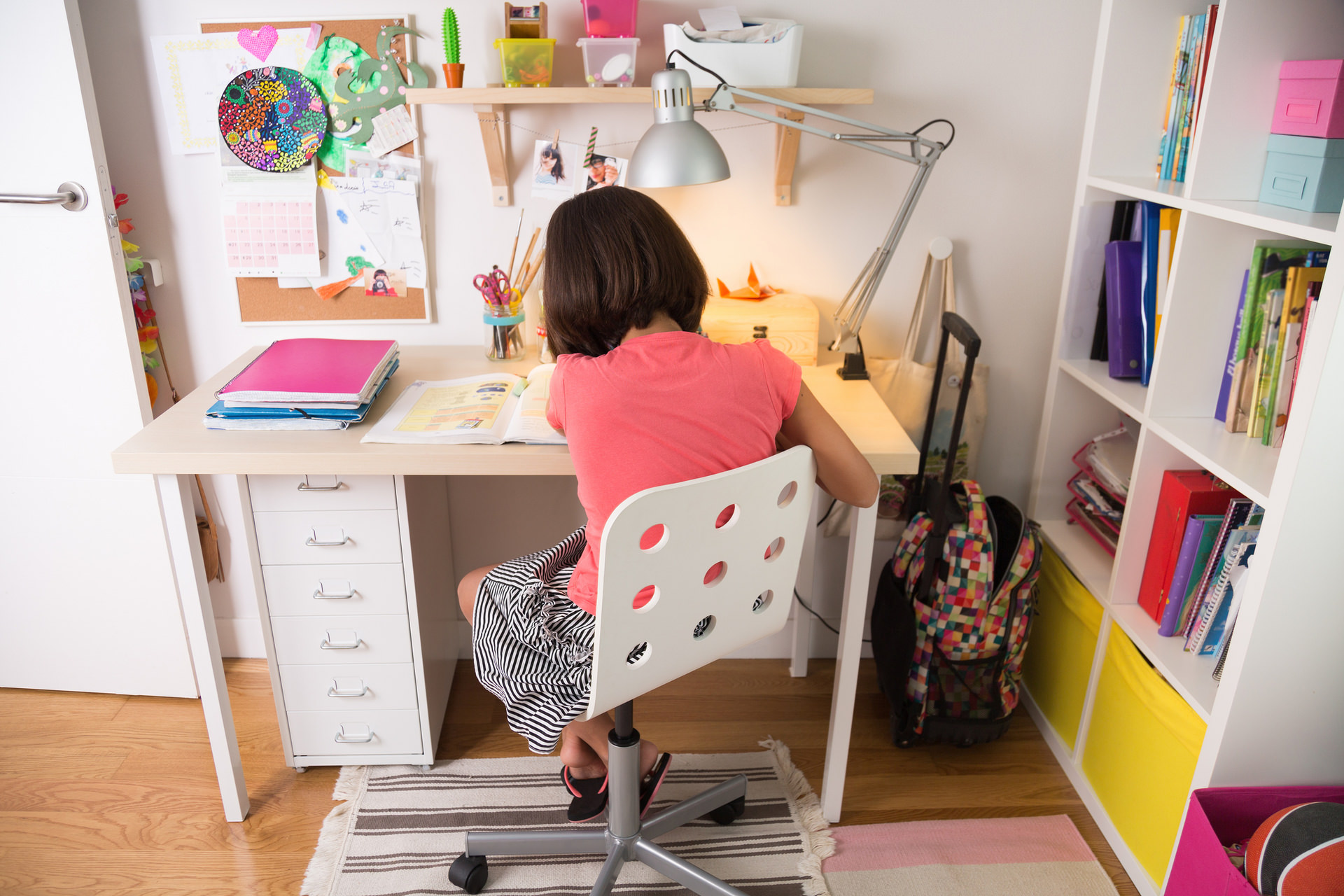
As summer winds down, many families focus on school supplies, schedules, and extracurricular activities. But one of the most important back-to-school preparations happens at home. Creating a functional bedroom and study area can help kids stay organized, focused, and ready for the year ahead.
The right back to school furniture makes daily routines easier, whether you're furnishing a first grader's room or creating a dedicated homework zone for a high school student. From loft beds with built-in desks to storage solutions that reduce clutter, a few strategic updates can transform a bedroom into a space designed for learning and growing.
What Furniture Does a Kids' Room Need for Back to School?
A well-designed study space for kids starts with a few essential furniture pieces. The exact setup will vary by age, but most students benefit from:
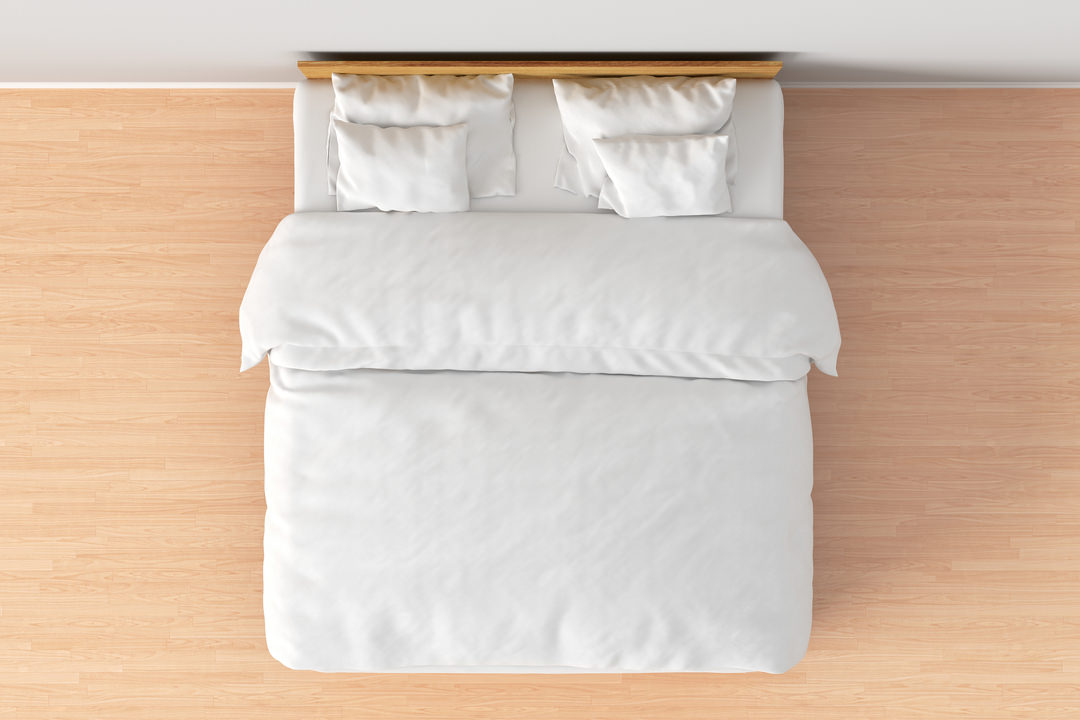
- A comfortable kids bed and mattress that supports healthy sleep habits
- A dedicated desk or workspace
- Storage furniture for school supplies and books
- Organization solutions for clothing, backpacks, and sports equipment
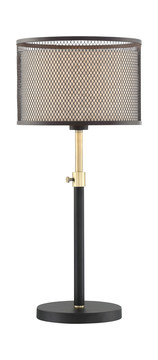
- Good lighting for homework and reading
The goal isn't necessarily adding more furniture—it's choosing pieces that work harder and help keep everyday items organized.
Best Kids Room Furniture for Elementary School Students
Elementary-aged children need spaces that balance learning, play, and rest. Furniture should be durable, easy to organize, and flexible enough to adapt as interests change.
Recommended Furniture for Younger Students:
- Twin Beds with Storage Drawers: Beds with built-in storage maximize floor space while providing room for extra bedding, seasonal clothing, or toys.
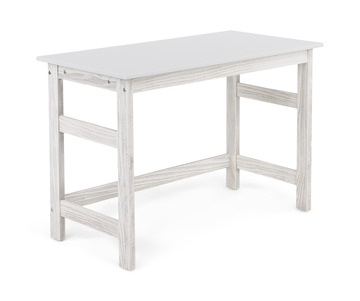
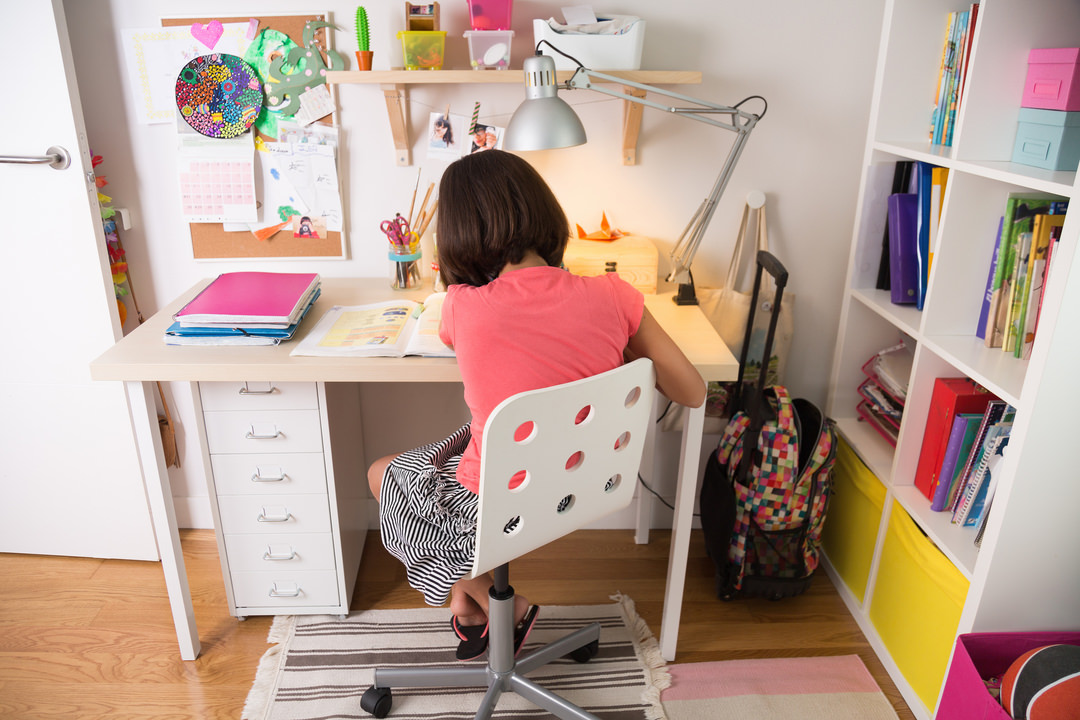
- Small Writing Desks: A compact desk gives younger children a designated place for homework, coloring, and creative projects without overwhelming the room. Even if homework assignments are minimal, creating a consistent place to complete schoolwork helps establish routines and encourages focus.
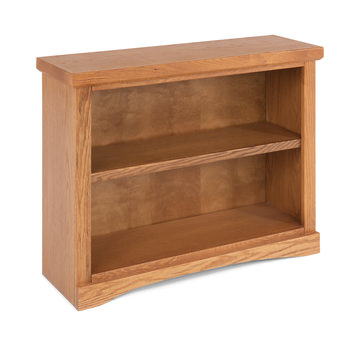
- Bookcases and Cubby Storage: Open shelving makes it easy for children to access books, school supplies, and favorite items independently.
- Toy Storage Benches: Multifunctional storage pieces help keep clutter contained while providing extra seating.
Best Back-to-School Furniture for Middle and High School Students
As students get older, school demands increase. Homework takes longer, technology becomes essential, and organization becomes even more important.
Recommended Furniture for Older Students:
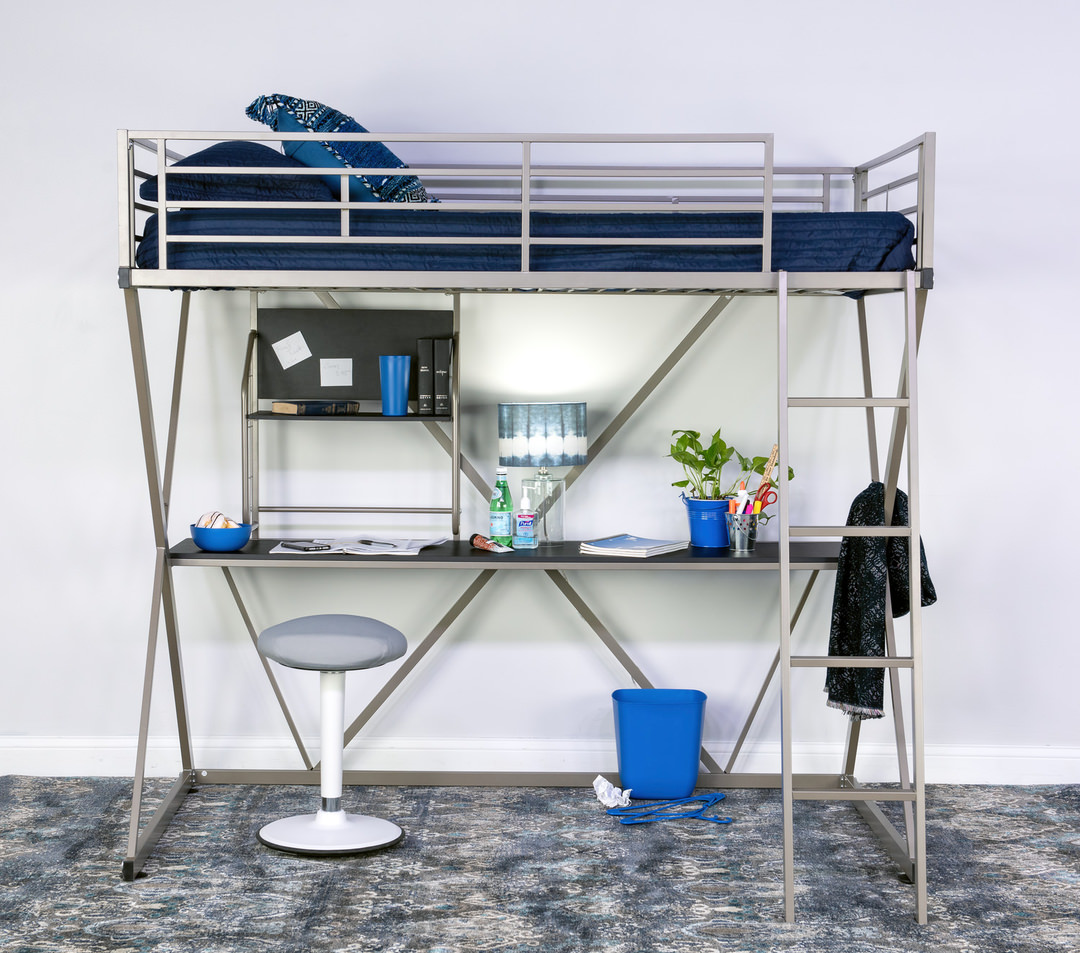
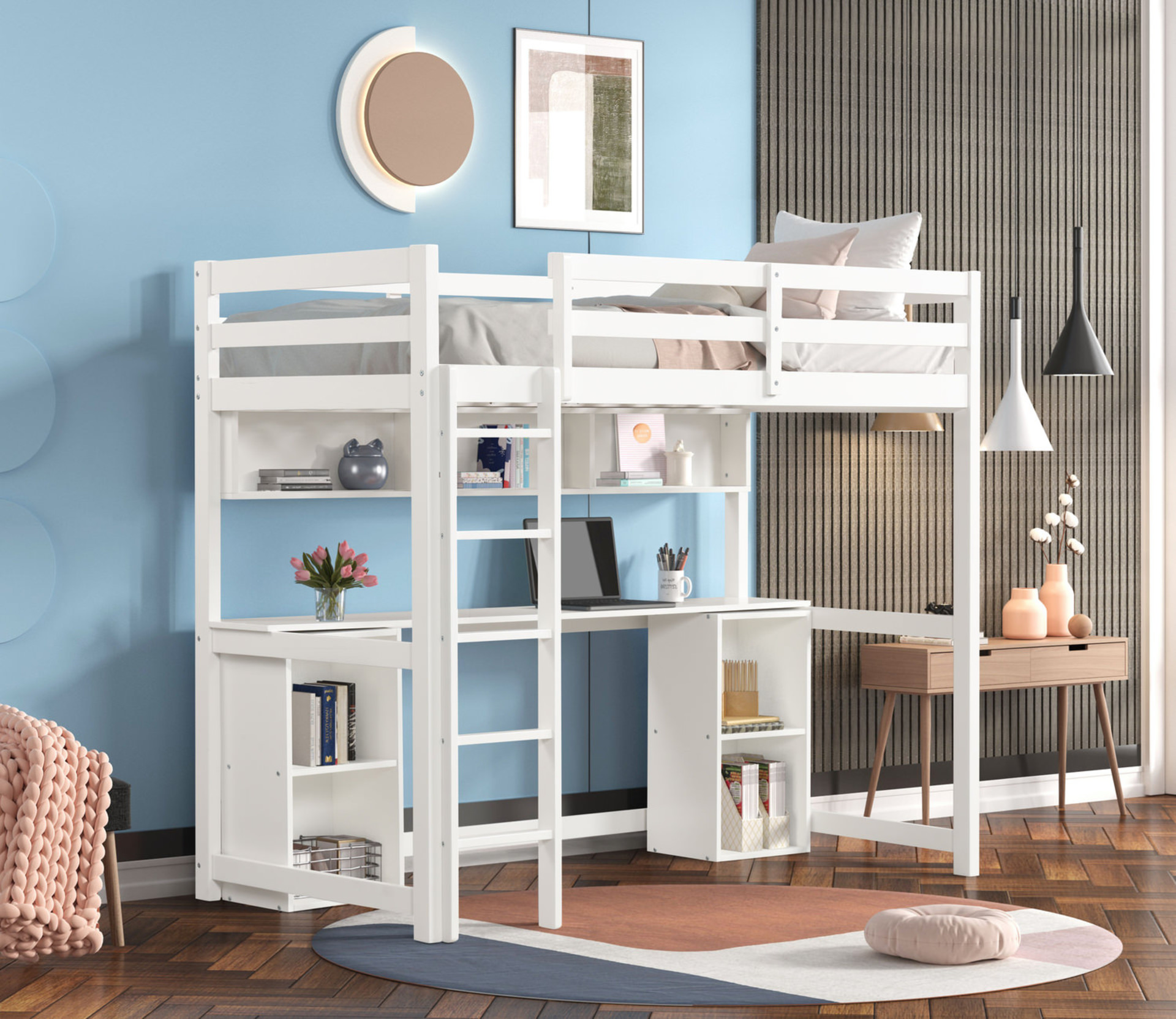
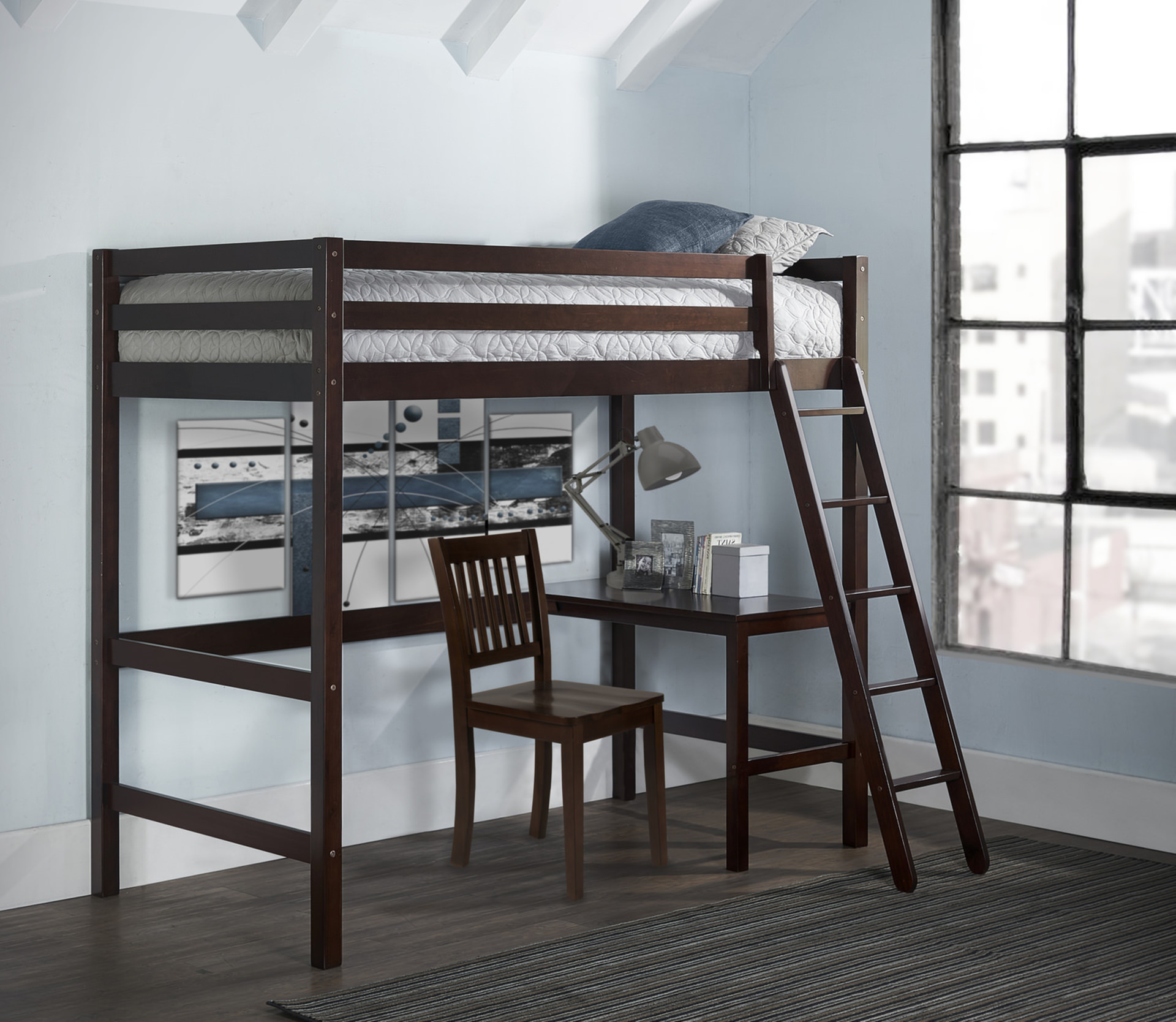
- Loft Beds with Built-In Desks: Loft beds are ideal for maximizing space in smaller bedrooms. By elevating the bed, the area underneath becomes a productive study zone.
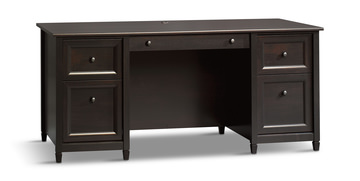
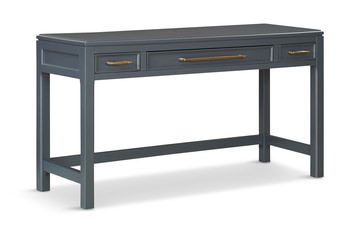
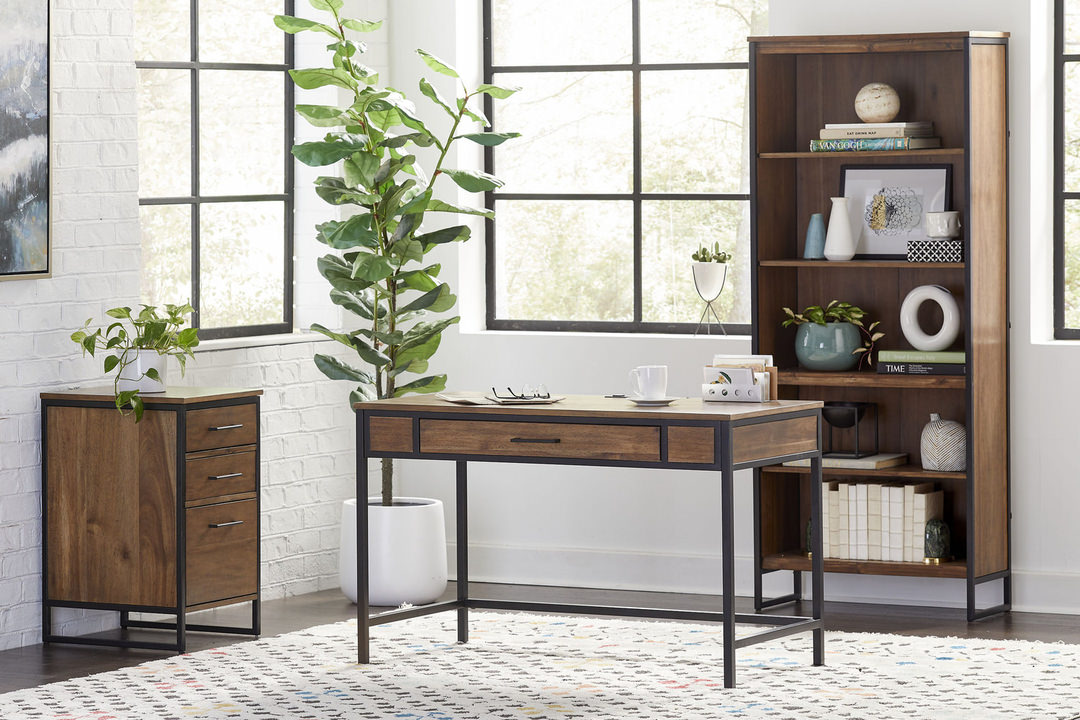
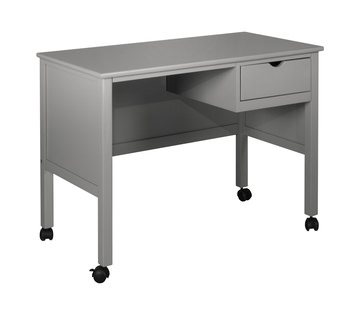
- Student Desks with Drawers: A larger desk provides space for laptops, notebooks, textbooks, and charging stations while keeping supplies organized.
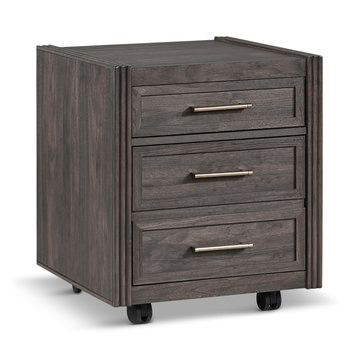
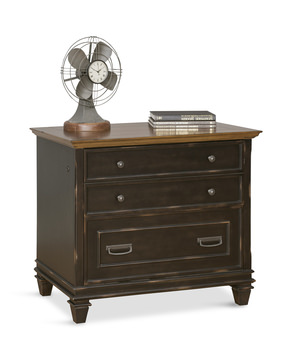
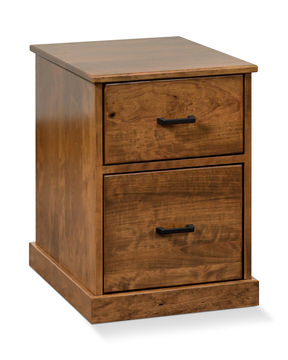
- Filing Cabinets and Mobile Storage: Older students often need dedicated storage for projects, assignments, and school materials.
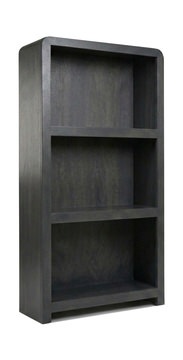
- Bookshelves with Adjustable Shelving: Flexible shelving accommodates everything from textbooks to decorative storage bins.
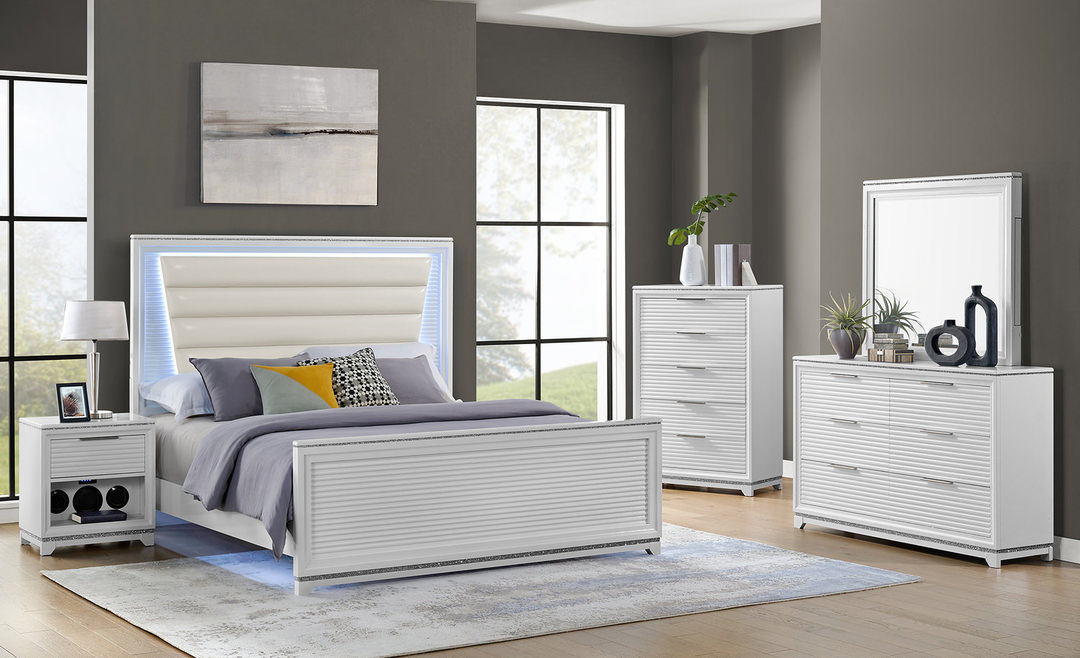
- Bedroom Sets with Integrated Storage: Coordinated furniture collections often include dressers, nightstands, and beds designed to maximize organization while maintaining a cohesive look.
What's a Good Desk Setup for a Middle Schooler?
A good desk setup for a middle school student includes enough workspace for both traditional homework and technology use.
Essential Desk Setup Components
| Furniture Piece | Purpose | Best for |
| Student desk | Homework, projects, and laptop use | Daily study sessions |
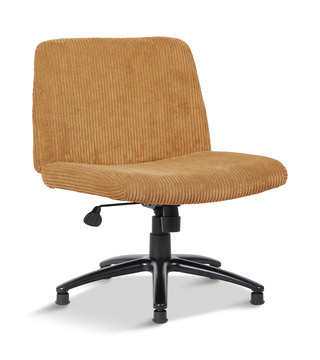
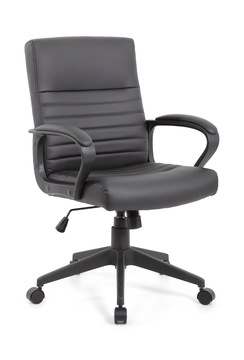
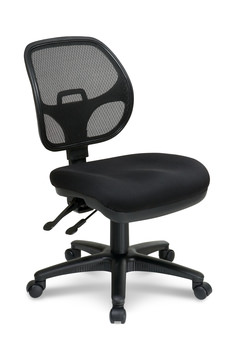
| Ergonomic desk chair | Comfort and posture support | Longer homework periods |
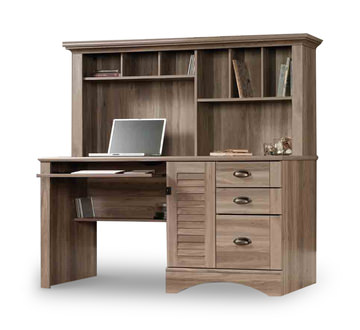
| Desk hutch or shelving | Vertical storage | Small bedrooms |
| Rolling file cabinet | School papers and supplies | organization |
| Task lamp | Focused lighting | Evening study |
The best setup allows students to spread out materials while keeping frequently used supplies within reach.
How Do I Organize a Small Kids' Bedroom for Studying?
Small bedrooms can still function as effective study spaces with the right furniture choices.
- Use Vertical Space: Choose tall bookcases, wall shelving, or loft beds to maximize storage without sacrificing floor space.
Choose Multi-Functional Furniture: Look for furniture that serves multiple purposes, such as:
Loft beds with desks underneath
- Storage benches with seating
- Beds with built-in drawers
Bookcases with storage baskets
Create Defined Zones: Even in a small room, designate separate areas for each activity (sleeping, studying, etc.). This helps kids create distinction and transition between them.
- Contain Clutter: Use labeled bins, baskets, and drawer organizers to create designated homes for school supplies.
- Keep the Desk Area Clear: Reserve the desk surface for homework essentials and move extra supplies into nearby storage furniture.
What Storage Furniture Works Best for Kids' Rooms?
The best kids desk and storage solutions combine accessibility, durability, and flexibility.
Top Storage Furniture Options:
- Storage Beds: Perfect for maximizing hidden storage while minimizing furniture footprint.
- Cube Organizers: Easy to customize with baskets and bins as children's needs change.
- Dressers with Deep Drawers: Ideal for clothing, school uniforms, and seasonal items.
- Bookcases: Provide accessible storage for books, binders, trophies, and decorative accessories.
- Storage Ottomans and Benches: Offer concealed storage while adding seating and functionality.
Best Storage Solutions by Age:
| Age group | Recommended storage |
| Elementary school | Cube organizers, toy bins, bookcases |
| Middle school | Dressers, desks with drawers, shelving |
| High school | Filing cabinets, large bookcases, storage beds |
Back-to-School Furniture Timeline Checklist
Starting early helps families avoid last-minute shopping and gives students time to settle into new routines before classes begin.
4–6 Weeks Before School Starts
- Evaluate furniture needs, measure spaces, and identify organization challenges
- Research and order furniture and storage solutions
- Sort, declutter, and plan room layouts
1–2 Weeks Before School Starts
- Assemble new furniture and set up study stations
- Organize school supplies and create storage systems
- Test desk lighting, charge devices, and stock homework supplies
Create a Study Space That Grows With Your Child
The best kids' room furniture balances today's needs with future flexibility. Whether you're furnishing a room for an elementary student or upgrading a study space for a teenager, thoughtful furniture choices can improve organization, support learning, and simplify everyday family life.
Investing in practical back to school furniture now helps create a study space for kids that supports academic success all year long. From loft beds with desks to smart storage solutions, the right furniture can make mornings smoother, homework easier, and bedrooms more functional for the entire family.
Frequently Asked Questions
What furniture does a kids' room need for back to school?
In addition to a bed, most kids' bedrooms need a dedicated desk or workspace, storage furniture, and organization solutions for school supplies, books, and clothing.
How do I organize a small kids' bedroom for studying?
Use vertical storage, choose multifunctional furniture like loft beds with desks, create separate zones for studying and sleeping, and use bins or organizers to reduce clutter.
What's a good desk setup for a middle schooler?
A middle schooler's desk setup should include a spacious desk, ergonomic chair, task lighting, and nearby storage for school supplies and technology.
What storage furniture works best for kids' rooms?
Storage beds, cube organizers, bookcases, dressers, and storage benches are among the most effective furniture options for keeping kids' rooms organized.
Are loft beds good for school-aged kids?
Yes. Loft beds can be excellent space-saving solutions because they combine sleeping, studying, and storage functions in a smaller footprint, making them






2026
September
August
July




June


May

April

March

February


January



2025







Related Products